Stories From Story Feast Collective

…and for weekly recipes, interviews, and stories about food, travel, and inspiring people, subscribe to my newsletter What's Good Here.
Tours, Events Jody Eddy Tours, Events Jody Eddy

Tour Spotlight: The Saint John's Pottery

Pottery Studio Tour | The Saint John's Pottery | Story Feast

Every afternoon at 3 p.m., tea is served from a kettle hanging over a wood fire. A tour of The Saint John's Pottery founded by potter Richard Bresnahan, where JD Jorgensen apprenticed and where the ceramics for our gathering began.
Saint Johns Abbey Pottery studio ceramics Richard Bresnahan Story Feast Monastery Dinners

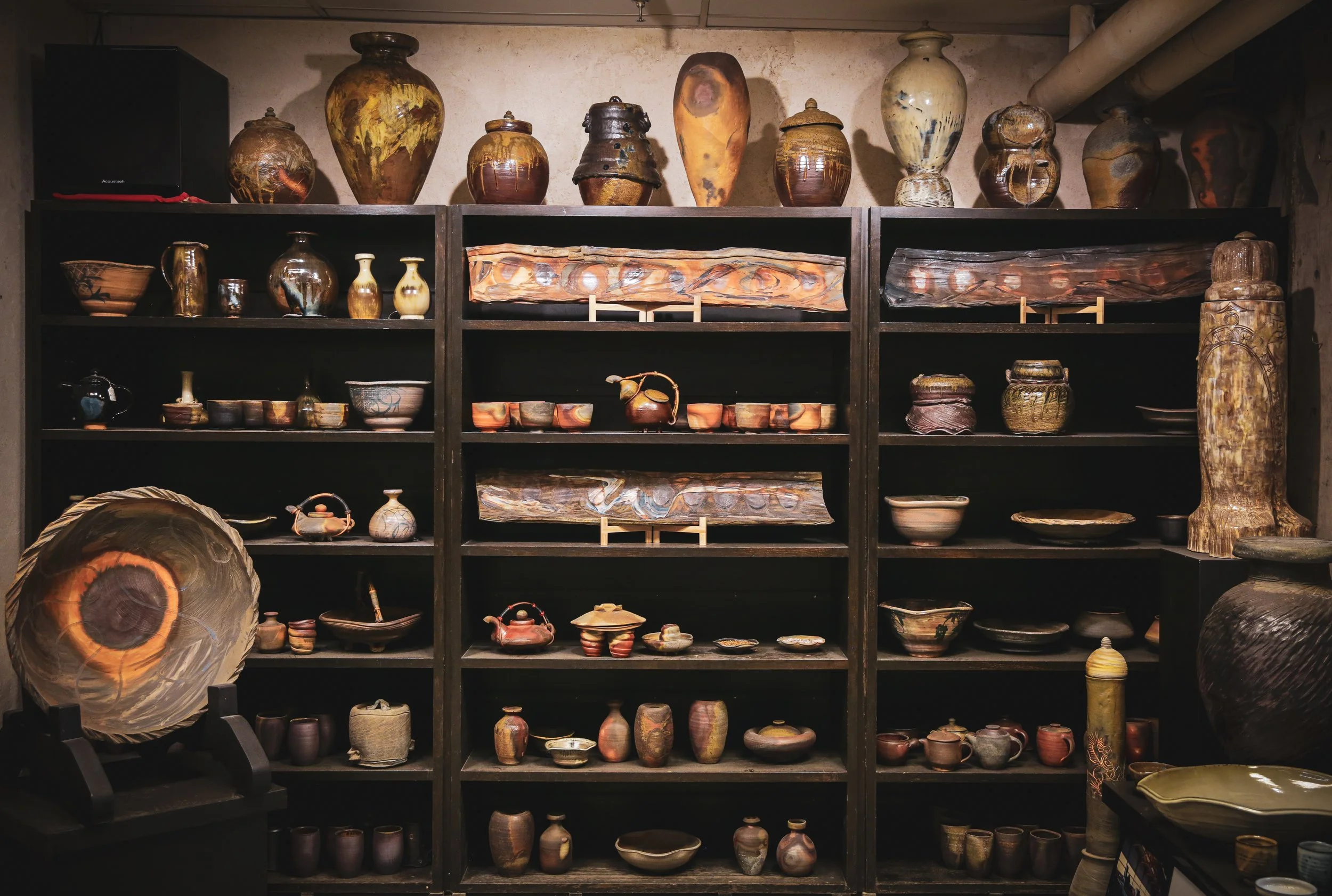
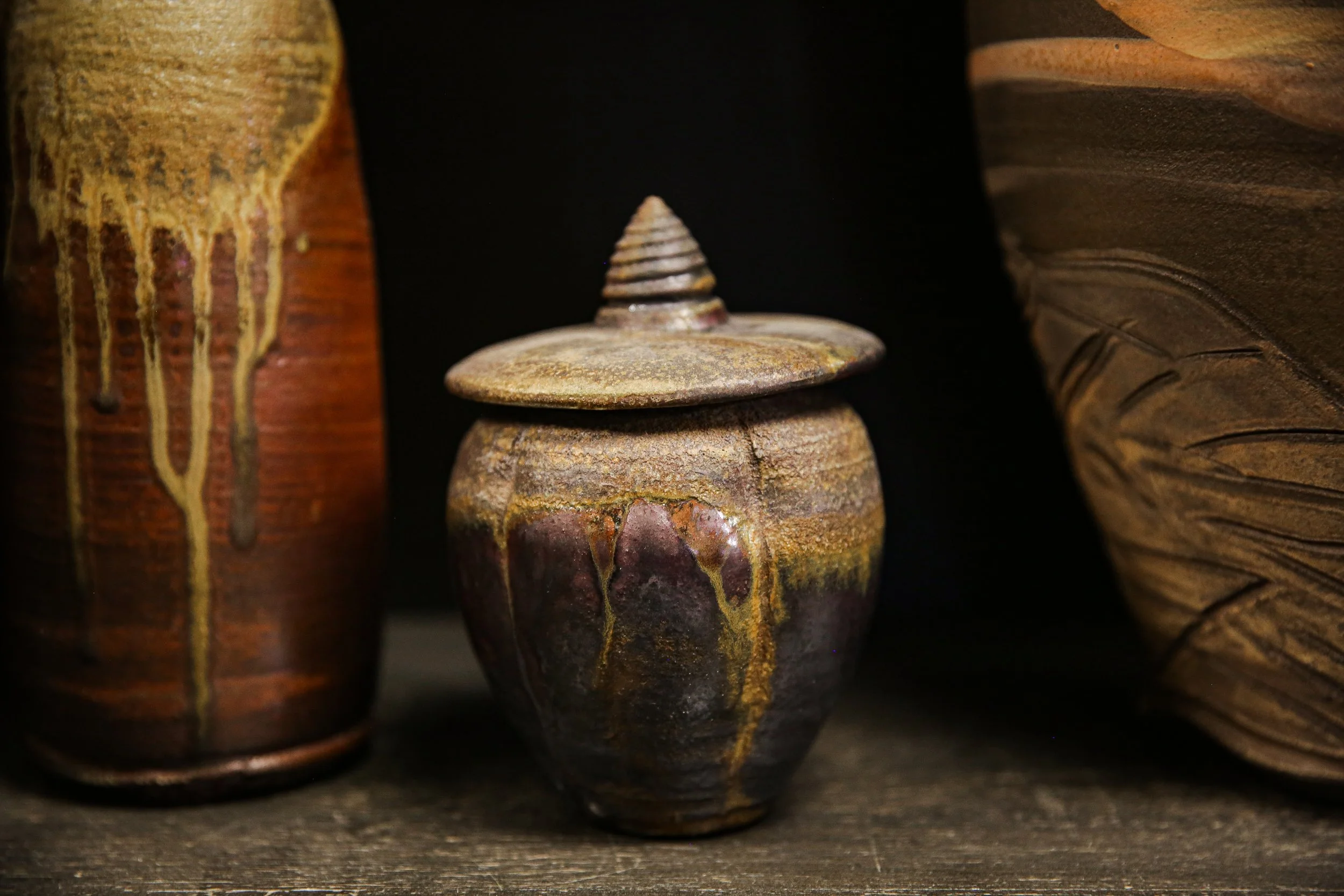
Treasures from The St. John’s Pottery

A behind-the-scenes tour at our inaugural Story Feast gathering

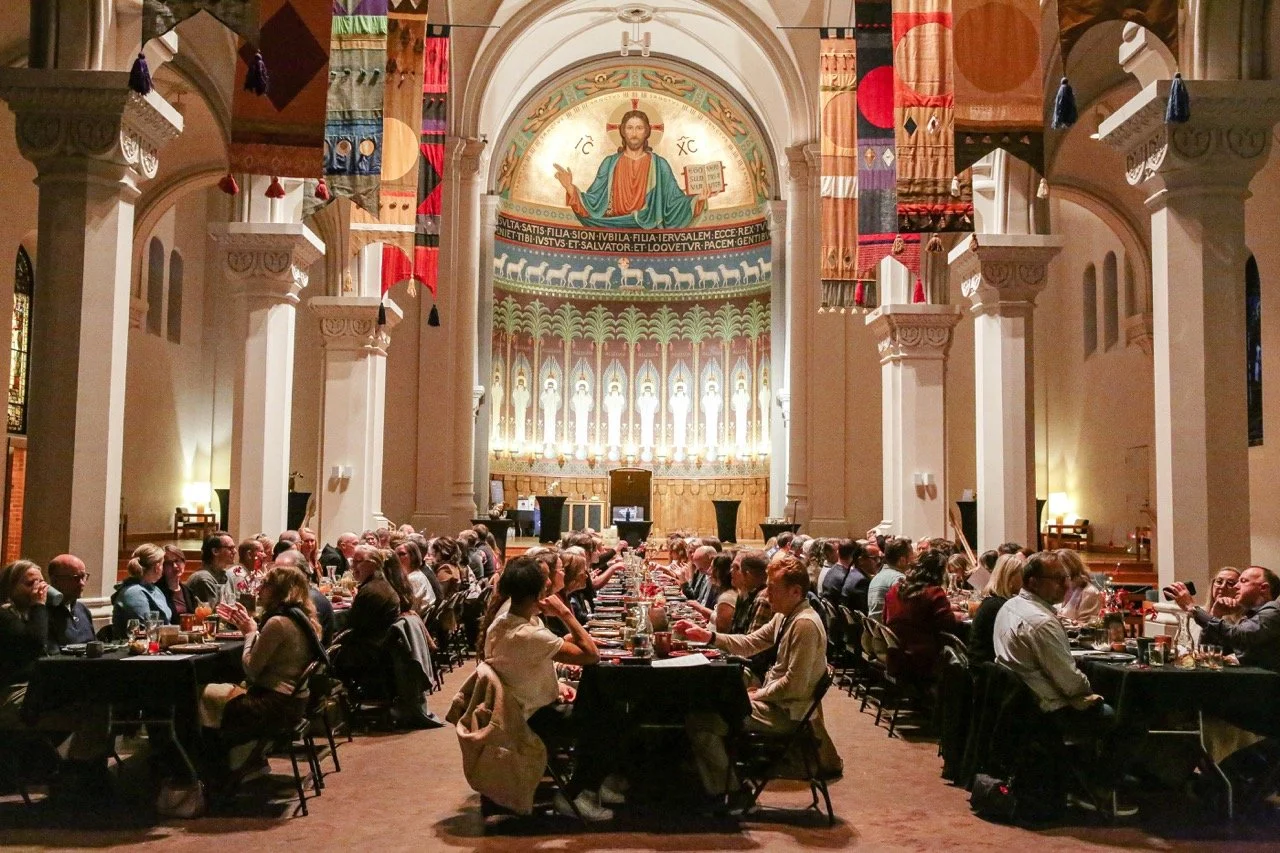
Every Story Feast gathering includes more than a meal. We invite guests to explore the places where they dine, to understand what makes them extraordinary. At St. John's Abbey, that meant offering three optional tours before the cocktail hour. Every single one filled to capacity.

This is what we love about Story Feast guests: you come curious.

A Potter, a Proposal, and Three Hundred Years of Clay

In the late 1970s, a young man named Richard Bresnahan returned to his alma mater with an unusual proposal.

He had just spent nearly four years in Karatsu, Japan, apprenticing with Nakazato Takashi, a 13th-generation master potter and designated National Living Treasure. He'd arrived not knowing a word of Japanese. He left as a certified master potter, carrying with him centuries of tradition and a vision for what pottery could become.

His proposal to the president of Saint John's University: let me start a pottery studio, and let me bring in enough clay from a nearby site to keep it going for three hundred years.

Because it's Saint John's, the president said yes.

Forty-Five Years and Counting

The Saint John's Pottery opened in 1979 in an abandoned root cellar beneath Saint Joseph Hall. Today, more than forty-five years later, Richard Bresnahan is still its director and artist-in-residence and the pottery has become one of the most respected ceramic studios in the country.

Everything about the studio embodies Benedictine values: sustainability, community, hospitality, the dignity of labor. The clay is mined locally. Glazes are made from ashes, flax, soybean straw, navy beans, sunflower hulls, wood. Water and packing materials are recycled. The massive Johanna Kiln, built in 1994 and named after Bresnahan's mentor Sister Johanna Becker, is the largest wood-fired kiln of its kind in North America, 87 feet long, capable of holding 12,000 pieces in a single firing that takes ten days and sixty volunteers working around the clock.

It's a place where craft is practiced the old way, and where time moves differently.

The Only Paid Apprenticeship of Its Kind

Since 1981, more than fifty apprentices have trained at The Saint John's Pottery. What makes this program unique: every apprentice receives a stipend, room, and board. Since 2016, the benefits package has included healthcare.

It's the only pottery apprenticeship of its kind in the country that pays its apprentices and provides benefits.

The results speak for themselves: every former apprentice is still involved in the creative process, working with clay or other mediums, teaching or running their own studios.

One of those apprentices was JD Jorgensen, who later founded Maine Prairie Studio with his wife Megan. JD brought his infant son along to his shifts in the pottery studio, that baby is now a young man in his twenties who joined us at the dinner alongside his father. Together, JD and Megan crafted every piece of pottery for our Story Feast gathering. (More on their extraordinary work in a future post.)

Tea at Three

Every afternoon at 3 p.m., something beautiful happens at The Saint John's Pottery.

Work pauses. Tea is prepared. And everyone, the master potter, the apprentices, any visitors who happen to be present, gathers around the irori, a traditional Japanese-style hearth at the entrance to the studio. A cast iron kettle hangs from the ceiling, heated by a wood fire below. Tea is poured into handmade cups. Conversation unfolds.

In the words of Saint Benedict: "All guests who present themselves are to be welcomed as Christ."

This is pottery not as production, but as practice. Not as commodity, but as community.

Saint Johns Abbey Pottery studio ceramics Richard Bresnahan Story Feast Monastery Dinners

There are seemingly endless shelves of pottery throughout the vast studio

What Guests Experienced

On the evening of our gathering, guests toured the pottery studio, learning about clay processing, glaze development, and the cycles of the Johanna Kiln. They saw where JD Jorgensen had trained, and they understood, perhaps for the first time, how the ceramics on their dinner table had come to be.

They felt what it means to step into a place where time, craft, and intention merge.

Learn more about The St. John’s Pottery →

Looking Ahead: 2026–2027 Season

For our upcoming season, Story Feast tours will be even more expansive. You'll have the option to spend a few days, or just one, or an hour, or not at all (sometimes you just want to feast!) immersing yourself in a place. Visiting locations that define the food culture of the region. Meeting the makers. Understanding the sense of place and identity that makes each location extraordinary.

Because a great meal isn't just about what's on the plate. It's about where you are, who made it, and what that place means.

My newsletter

Every Wednesday in my Substack newsletter, What’s Good Here, I share a new, well-tested recipe alongside guides, how-tos, interviews with inspiring people, and stories about what it means to live a good life. Every other Friday I also share five original recipes plus a step-by-step guide to host a Fantasy Feast inspired by your favorite movies, books and television shows.

Subscribe to What's Good Here →

Interested in partnering with us for a future gathering? See partnership opportunities →

Interested in joining a future gathering? See upcoming events →

Read More
Tours, Events Jody Eddy Tours, Events Jody Eddy

Tour Spotlight: The Abbey Church and Brutalist Architecture

Abbey Church & Brutalist Architecture Tour | St. John's Abbey | Story Feast

Marcel Breuer's Abbey Church helped inspire the Oscar-winning film The Brutalist. Our guests toured this concrete masterpiece: the Bell Banner, the honeycomb stained glass, the space where monks have prayed for sixty years.
St Johns Abbey Church Marcel Breuer Brutalist architecture stained glass

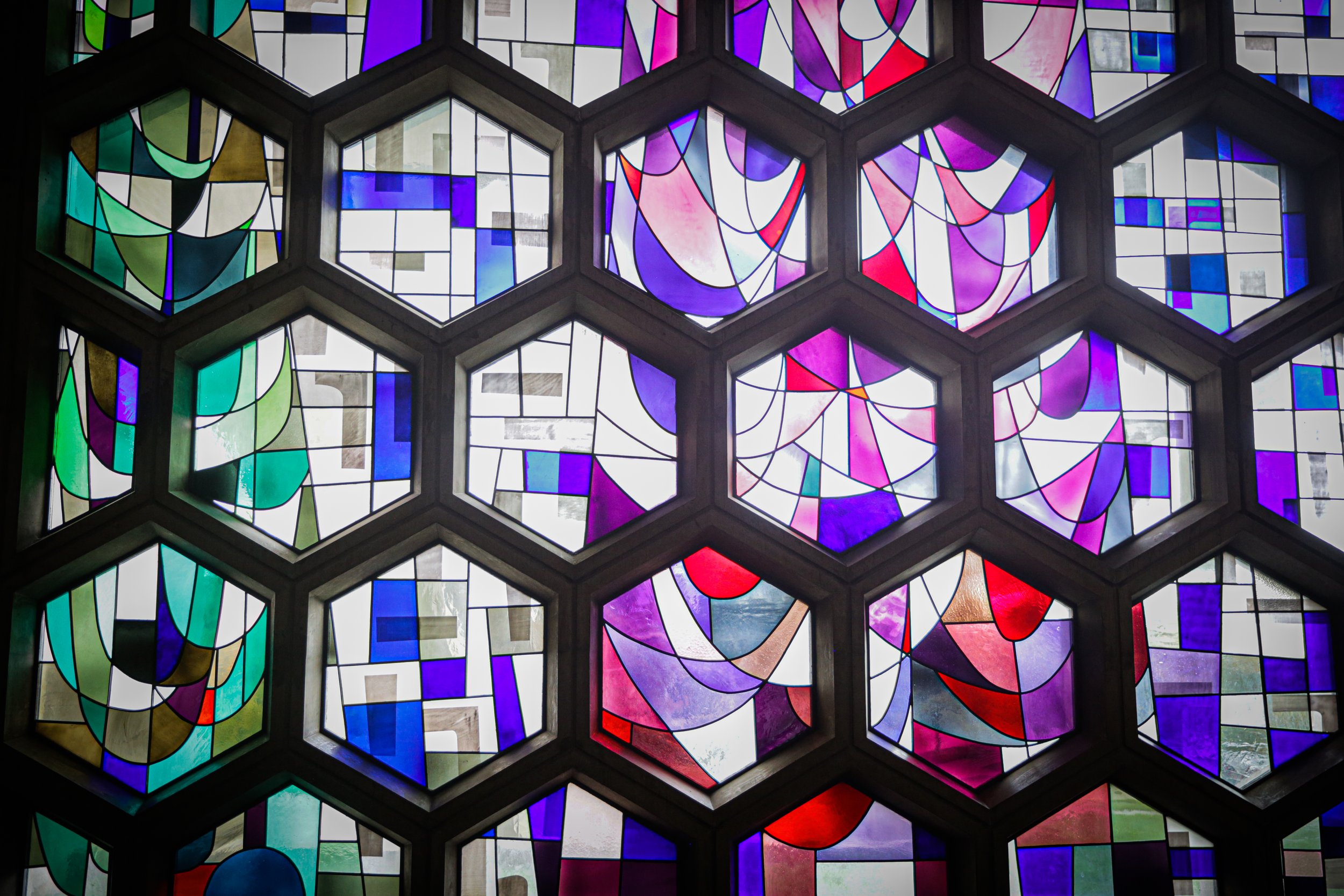
The entire north wall of the church is composed of 430 hexagons of stained glass set in a honeycomb concrete lattice. When it was completed, it was the largest stained glass wall in the world.

A Behind-the-Scenes Tour at Our Inaugural Story Feast Gathering at St. John’s Abbey

Every Story Feast gathering includes more than a meal. We invite guests to explore the places where they dine, to understand what makes them extraordinary. At St. John's Abbey, that meant offering three optional tours before the cocktail hour. Every single one was filled to capacity.

This is what we love about Story Feast guests: you come curious!

A Building That Changed Architecture

Before there was a film called The Brutalist, there was a church in rural Minnesota that helped inspire it.

St. John's Abbey Church was designed by Marcel Breuer, the Hungarian-born, Bauhaus-trained architect who would go on to shape the look of the 20th century. Built between 1958 and 1961, it was his first religious building and remains one of only two churches he ever designed in the United States.

The director of The Brutalist discovered St. John's through a small book written by a monk who had kept minutes of his meetings with Breuer. That monk's memories, of working alongside a visionary architect to build something unprecedented, helped spark the film's fictional story of a Holocaust survivor and immigrant architect building his masterpiece in America.

The real masterpiece sits on a quiet campus in Collegeville, visible from Interstate 94 over a mile away.

The Bell Banner

The first thing you see is the Bell Banner, 112 feet of poured concrete and steel rising from the prairie. It holds five bells, the largest weighing 8,000 pounds, that call the monks and community to prayer. The upper window frames a cross made from oak trees harvested from St. John's own arboretum.

It's not a steeple. It's not a tower. It's something entirely new, a shield, a beacon, a statement of faith in concrete form.

The Stained Glass Wall

Behind the banner, the entire north wall of the church is composed of 430 hexagons of stained glass set in a honeycomb concrete lattice. When it was completed, it was the largest stained glass wall in the world.

Designed by Bronislaw Bak, the art professor at St. John's, the colors shift through the liturgical year, reflecting the seasons of the church calendar in glass and light. On a sunny day, the whole interior glows.

The hexagon pattern isn't just beautiful, it's structural. Each piece supports its neighbors. Monks, faculty, students, and volunteers assembled the glass panels together in the abbey's old dairy barns.

Poured by Monks

What makes St. John's even more remarkable: the entire structure was cast in concrete poured on-site, supervised by Breuer's team but built largely by local carpenters and the monks themselves. The concrete still bears the impression of the wooden forms they constructed.

Inside, massive concrete columns rise like trees, branching into beams that support the folded plate roof. The nave seats 1,500 worshippers in a trapezoidal space designed to bring everyone as close as possible to the altar, no columns blocking the view, no hierarchy of seating.

It was radical for its time. It still feels radical today.

International Significance

I.M. Pei once suggested that were it not hidden in rural Minnesota, St. John's Abbey Church could be ranked among the 20th century's greatest architectural achievements. When it was dedicated in 1961, one reviewer called it "the most exciting architectural story since the building of the great medieval churches in Europe."

Breuer went on to design the UNESCO headquarters in Paris, the Whitney Museum in New York, and dozens of other landmark buildings. But St. John's remained special, the project that marked his turn from furniture design to monumental architecture, and the one he returned to throughout his career.

St Johns Abbey Church Marcel Breuer Brutalist architecture stained glass

I.M. Pei once suggested that were it not hidden in rural Minnesota, St. John's Abbey Church could be ranked among the 20th century's greatest architectural achievements.

What Guests Experienced

On the evening of our gathering, one of the monks led a tour of the church and its architecture, explaining the Bell Banner, the stained glass, the folded concrete walls, and the vision that Abbot Baldwin Dworschak brought to the project in the 1950s.

Guests walked the space where monks have prayed five times daily for over sixty years. They stood beneath the honeycomb wall as afternoon light filtered through. They heard the story of a small community in Minnesota that dreamed boldly and built something that would stand for centuries.

That's what it means to understand a place. To get a real sense of it.

Looking Ahead: 2026–2027 Season

For our upcoming season, Story Feast tours will be even more expansive. You'll have the option to spend a few days, or just one, or just an hour (or to skip it all because sometimes you just want to get to the feast!) immersing yourself in a place. Touring the places that comprise a location’s food culture. Meeting the makers. Understanding the sense of place and identity that makes each location extraordinary.

Because a great meal isn't just about what's on the plate. It's about where you are, who built it, and what that place means.

My newsletter

Every Wednesday in my Substack newsletter, What’s Good Here, I share a new, well-tested recipe alongside guides, how-tos, interviews with inspiring people, and stories about what it means to live a good life. Every other Friday I also share five original recipes plus a step-by-step guide to host a Fantasy Feast inspired by your favorite movies, books and television shows.

Subscribe to What's Good Here →

Interested in partnering with us for a future gathering? See partnership opportunities →

Interested in joining a future gathering? See upcoming events →

Read More
Tours, Events Jody Eddy Tours, Events Jody Eddy

Tour Spotlight: Organ Building & Woodworking at St. John's Abbey

Organ Building & Woodworking Tour at St. John's Abbey for Story Feast

Before dinner, guests toured Abbey Woodworking and the new organ building workshop, where a thousand-year Benedictine tradition is alive and thriving. A look inside one of our Story Feast tours.

St Johns Abbey organ building workshop Martin Pasi woodworking monastery

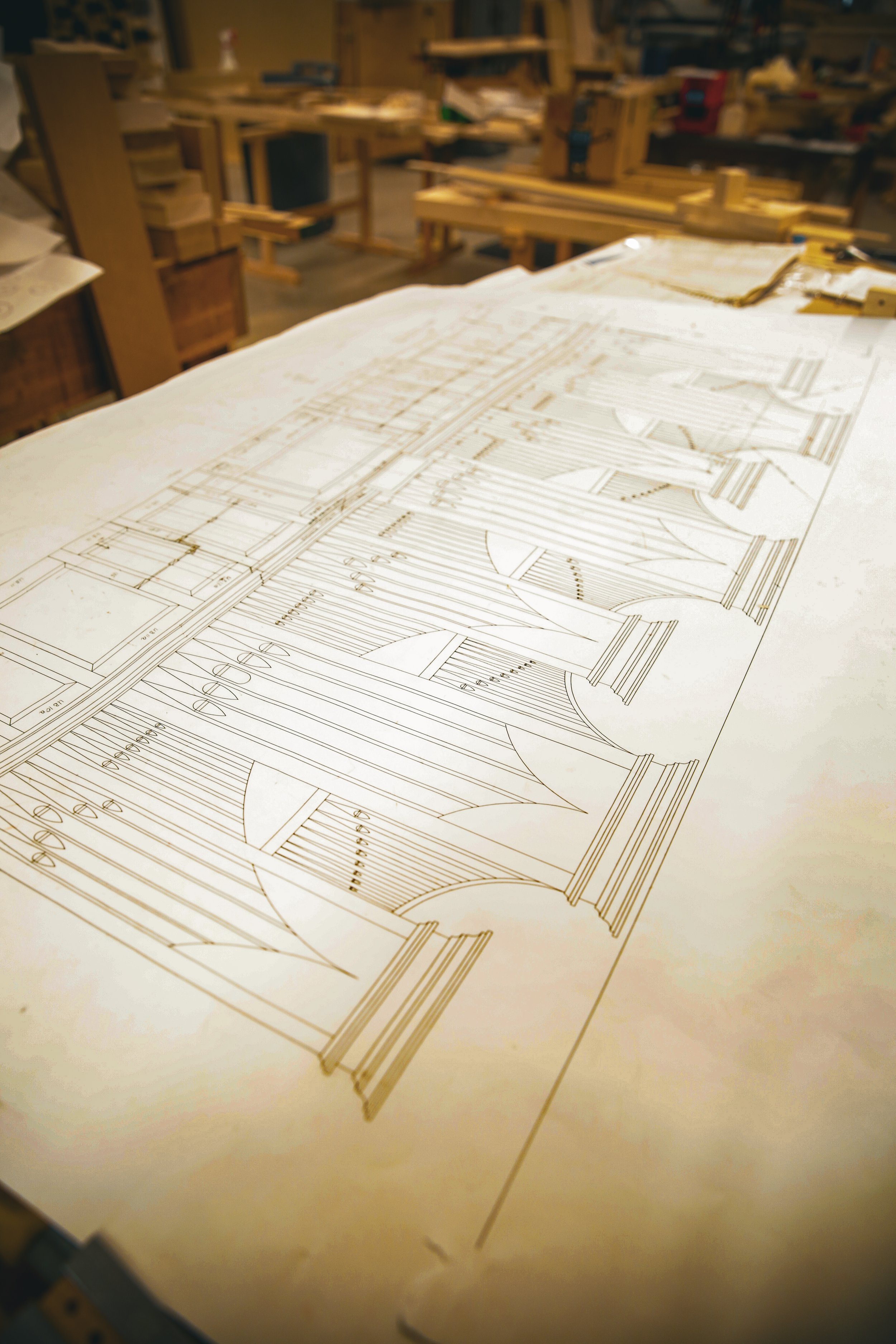
An organ blueprint at St. John’s Abbey

A behind-the-scenes tour at our inaugural Story Feast gathering

Every Story Feast gathering includes more than a meal and a cocktail hour. We invite guests to explore the places where they dine, to understand what makes them extraordinary. At St. John's Abbey, that meant offering three optional tours before the cocktail hour. Every single one filled to capacity.

This is what we love about Story Feast guests: you come curious!

A Thousand Years of Benedictine Craft

The tour of Abbey Woodworking and the new organ building workshop wasn't just a behind-the-scenes look at a facility. It was a window into a tradition that reaches back more than a millennium.

Benedictine monks have been building pipe organs since at least the ninth century. As they spread across Europe, they carried with them not only prayer and scripture, but practical arts: bronze-casting, glass-making, wood-carving, and organ building. The monastery was a place of learning and making, where skills were passed from master to apprentice, and craft was considered a form of devotion.

Ora et Labora, pray and work, is the Benedictine motto. At St. John's, the two have never been separate.

The Workshop

Abbey Woodworking has operated at St. John's since the monastery's founding in 1856. The monks harvest lumber from their own 3,000 acres of forest, mill it on site, and build furniture that lasts for generations. Pieces made over 90 years ago are still in daily use.

In 2023, a brand new 30,000-square-foot woodshop opened, and with it, something remarkable: Saint John's Abbey Organ Builders, a world-class organ building workshop led by Austrian-born master builder Martin Pasi.

Pasi is among a small group of builders worldwide who create mechanical-action pipe organs entirely by hand, using methods unchanged for centuries. Every pipe is cast from molten lead. Every key is carved from cow bone. Every component is made in-house, one organ at a time.

He came to St. John's in 2019 to install an expansion of the Abbey church's organ, adding nearly 3,000 new pipes to the original 1961 instrument. During those seven months, he fell in love with the place. When he heard the monks were planning a new woodshop, he proposed something bold: merge his life's work with theirs.

Now, Pasi and his team build organs in Collegeville, training the next generation of builders in a craft that might otherwise disappear.

St Johns Abbey organ building workshop Martin Pasi woodworking wood shop monastery

The woodworking shop at St. John’s Abbey

What Guests Experienced

On the evening of our gathering, guests walked through the new facility with members of the team. They saw raw lumber stacked for drying, tools arranged with monastic precision, and pipes in various stages of completion. They heard stories about the organs Pasi has built, for cathedrals in Omaha, Houston, and Cincinnati, and about the abbey's long history of making things by hand.

They also heard something harder to articulate: the quiet hum of a place where work is done slowly, carefully, and with intention.

Visit St. John’s Abbey Organ Builders →

Looking Ahead: 2026–2027 Season

For our upcoming season, Story Feast tours will be even more expansive. You'll have the option to spend a few days, or just one, or even just an hour, (or none at all if you’re strictly there for the feast!) immersing yourself in a place. Visiting off-site locations that tell the story of a location. Meeting the makers. Understanding the sense of place and identity that makes each location extraordinary.

Because a great meal isn't just about what's on the plate. It's about where you are, who made it, and what that place means.

My newsletter

Every Wednesday in my Substack newsletter, What’s Good Here, I share a new, well-tested recipe alongside guides, how-tos, interviews with inspiring people, and stories about what it means to live a good life. Every other Friday I also share five original recipes plus a step-by-step guide to host a Fantasy Feast inspired by your favorite movies, books and television shows.

Subscribe to What's Good Here →

Interested in partnering with us for a future gathering? See partnership opportunities →

Interested in joining a future gathering? See upcoming events →

Read More