How to Write & Publish a Cookbook: The Art Workers’ Guild of London
The Complete A-to-Z of Cookbook Writing Over Three Days in One of London’s Most Revered Artist Guilds
Thursday 21 - Saturday 23 January 2027 | The Art Workers’ Guild | London, England
ARE YOU READY TO WRITE & PUBLISH YOUR COOKBOOK?
If you have ever thought about writing a cookbook, whether the idea arrived last week or has been simmering for twenty years, these three days in London were designed for you.
This is the comprehensive masterclass of cookbook writing where we will cover the entire process over the course of three days in one of the world’s most fascinating cities. We will delve into everything you need to know including finding and shaping your idea, developing and testing recipes, writing headnotes people actually read, weaving compelling narrative throughout the book, outlining your proposal, writing query letters, finding an agent, understanding how publishers decide, advances and royalties, contracts (yours with agents and publishers and the agreements you may sign with a photographer, stylist, or a co-writer), photoshoots and design, preparing for and conducting research in the field, capturing compelling interviews, working with your editor and copyeditor, and promoting the book once it exists in the world. If it is part of making a cookbook, it is in this course. You will leave prepared for the whole journey, not just one stretch of it.
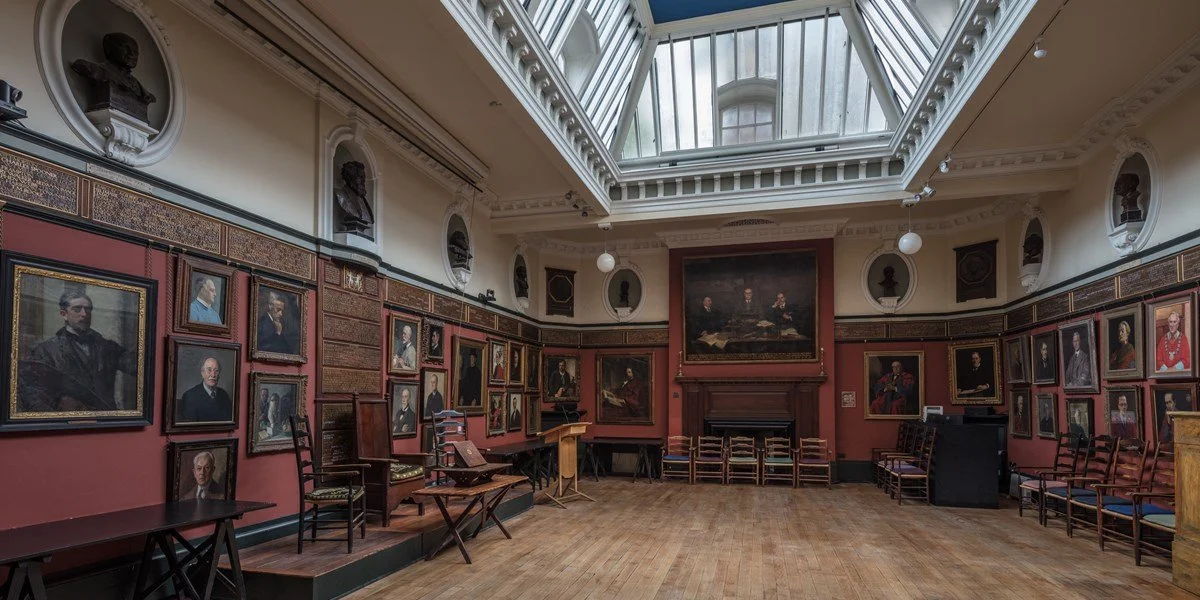
The course is taught by Jody Eddy, a James Beard nominated and IACP award winning author of nine cookbooks. We will gather inside the Art Workers’ Guild of London, an organisation established in 1884 to support the creative endeavours of artists. Wintertime is an enchanting time to be in London and an even better one to begin your book.
WHAT WE WILL ACCOMPLISH
Over three days, we walk the whole road a cookbook travels, from the first glimmer of an idea to the day you hold your finished book. When you sit down to work on your book after this course, you will know what you are doing and feel confident about every step that follows.
Some people arrive with a concept they have been pondering for years. Others arrive with nothing but a shelf of well-loved cookbooks and a feeling that they might have one in them. Both are good starting points and the course will meet you where you are.
You will see the real documents of this business, the ones that rarely leave a publisher or agent’s inbox. We will examine and you’ll take home with you full book proposals that sold to major publishers including Clarkson Potter, Penguin Random House, Simon & Schuster, W.W. Norton, and Ten Speed Press (Jody's most recent proposal ran 91 pages). We will look at query letters that won an agent's attention, publishing contracts, and the agreements authors sign with photographers and co-writers. We will analyse them together and take the mystery out of them so that when your moment comes, nothing about the process feels unfamiliar or intimidating.
Each day also brings a warm, generous conversation with a guest from inside the industry: a literary agent, an editor, a cookbook author, a recipe developer, or a food photographer, with plenty of time for your questions.
And there is also time to write and think. Short exercises throughout the course help you apply each session to your own book. Sharing is always welcome but never required. Some of the best work happens privately and that is exactly as it should be. We are writers, after all!
BY THE END OF THE THREE DAYS
An honest word about proposals: they are serious documents that often run to eighty or ninety pages, and writing one is its own long project. No three day course can deliver a finished proposal and you should be wary of any that promises to. What this course gives you instead is the complete picture: a working knowledge of every stage of the process, your proposal outlined with every section mapped and understood, a recipe template and testing plan, a clear route to finding and approaching agents, and the confidence that comes from having seen, up close, how it is all really done. You leave with a detailed and comprehensive roadmap for the entire journey and every tool and real world example you need to follow it.
s
EVERYTHING WE WILL COVER:
How cookbook publishing actually works: who does what, how books get bought, and where the money goes (including the truth about how much you will really make once everyone has received their cut and all the bills have been paid)
Finding the concept only you can write, and testing it before you invest a year or more into it
Defining your reader and the promise your book makes them
Comparable titles: the analysis every agent expects, and how to do it well
The cookbook proposal, outlined section by section: overview, the subject, market analysis, about the author, table of contents, and sample material with take-home examples of Jody’s cookbook proposals that sold to major publishers like Clarkson Potter, Penguin Random House, Ten Speed, and W.W. Norton.
Writing hardworking recipes people can actually cook from: headnotes, ingredient order, method, and style
Recipe development and testing: protocols, finding testers, and keeping a testing log
Finding your voice on the page and keeping it consistent
Narrative and story: the creative nonfiction craft that separates a book from a recipe file
Sample chapters that sell and how to assemble one
How to write a detailed table of contents and recipe list a publisher can’t resist
Literary agents: who they are, what they want, how much they get paid, and how to write a query letter that gets read. We will look at real agent-writer contracts, talk about red flags to be aware of, and everything the agent support should entail
Submission strategy: where to send your work, in what order, and how to track it
Publishing contracts, with real contracts that include advances, royalties, rights, and what is negotiable along with red flags and everything else that should (and shouldn’t) be in your contract
Contracts with photographers and co-writers, and how those collaborations work day to day
Traditional, hybrid, and self publishing: an honest comparison
Photography, photoshoots, and design: briefs, budgets, and working with photographers and stylists
Platform: what publishers look for and what to do if you do not have one yet
Marketing, publicity, and launch: the first ninety days of your book's life
What happens after the deal: working with your editor, deadlines, and keeping your footing
How to build an ecosystem around your book that takes on a profitable life of its own long after the book is published
EVERY SEAT INCLUDES
A welcome reception the evening before the course begins: cocktails and mocktails and light bites at a spot near the venue so you walk in on day one among friends
Three full days of teaching, writing, and conversation in a group of fifteen
A conversation with a different industry guest every day with time for your questions
Real proposals to take home, query letters and contracts that we will examine, not summaries of them
The complete digital Cookbook Writing Masterclass, free
A private one hour follow up call with Jody within two months of the course
Coffee and tea throughout, and a long midday break to eat well and wander in the historic heart of the city
A goody bag of high quality products made by British producers
A discount toward Story Feast's one to one proposal review and coaching services
THE VENUE
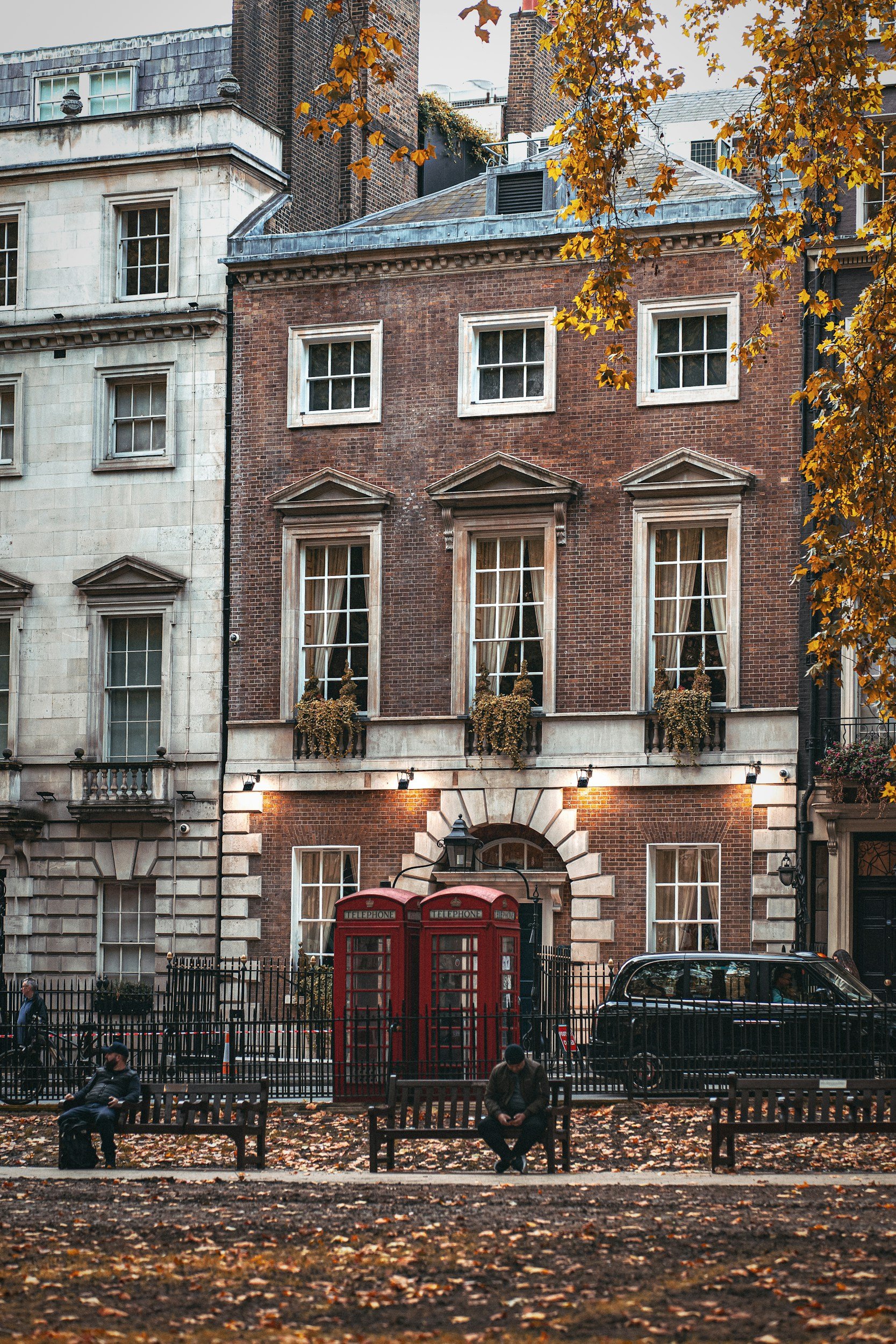
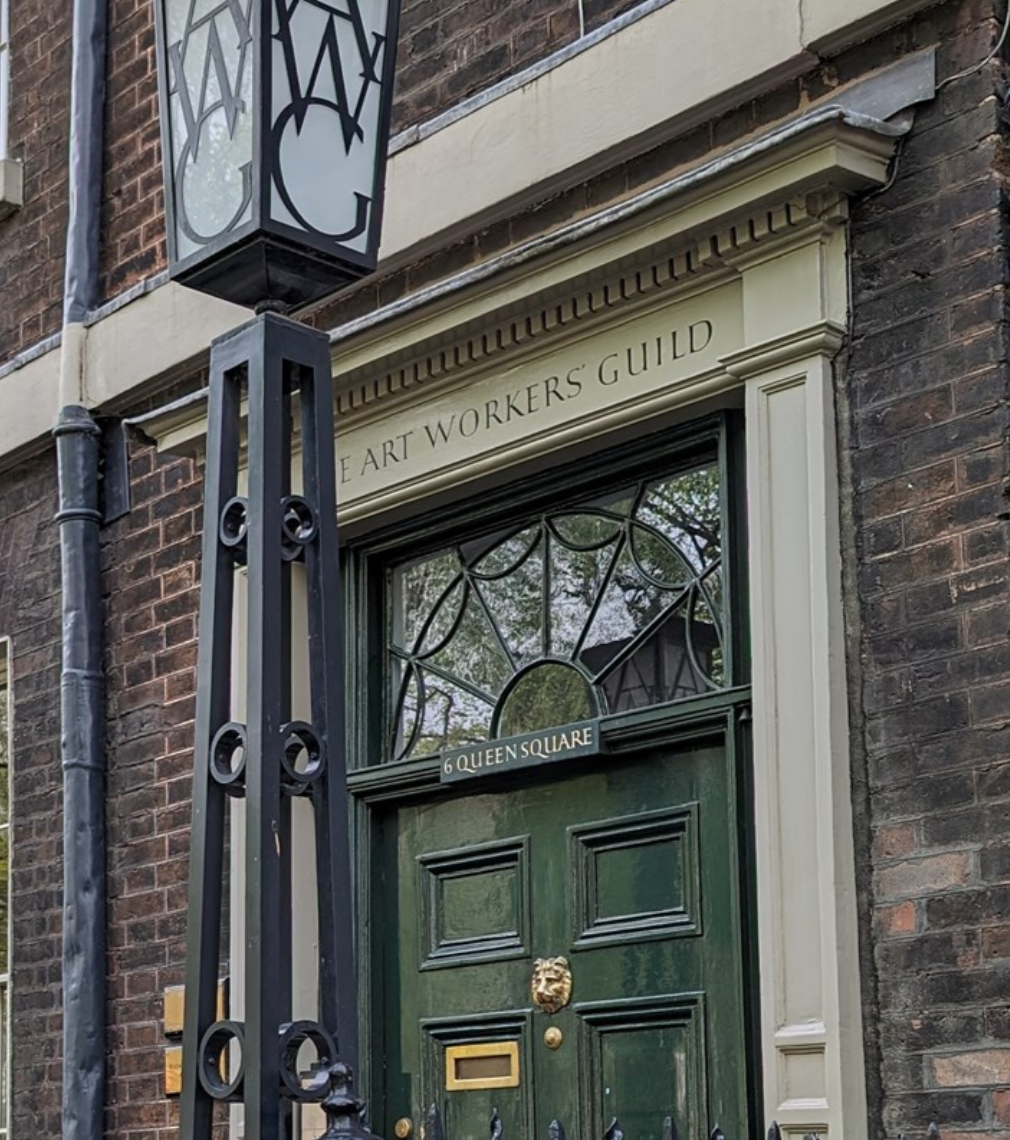
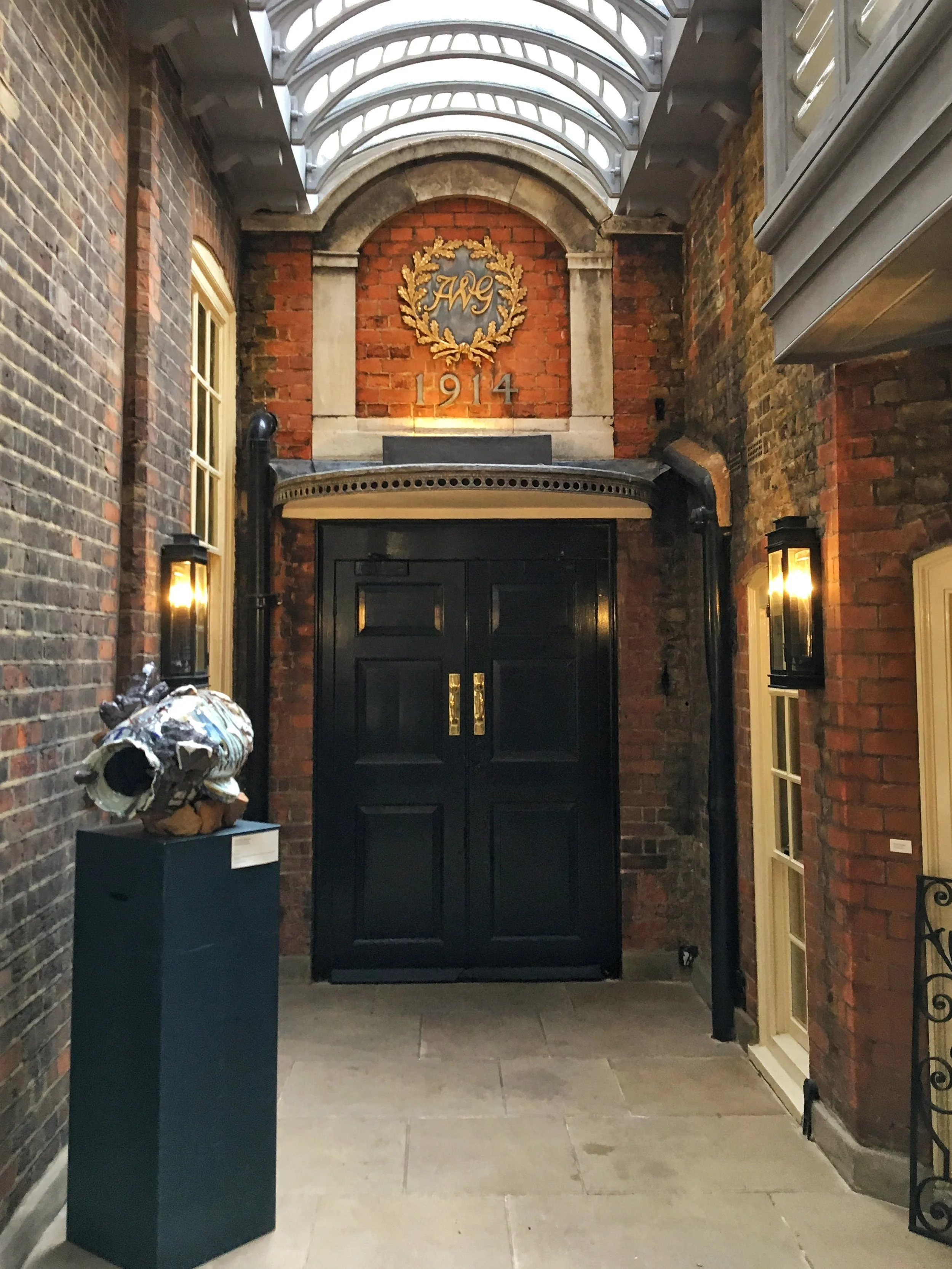
The Art Workers' Guild was founded in 1884 by a group of young architects and designers around William Morris. They built their own society on the principle that the person who makes a thing well deserves the highest regard. Walter Crane was a Master here. So were W.R. Lethaby, Edwin Lutyens and Eric Gill. The Guild has occupied its house on 6 Queen Square since 1914, and its hall is lined with the painted faces of every Master since its founding. It is still a living society of artists and craftspeople, which is to say it has spent a hundred and forty years insisting that craft, including writing, is serious business.
The timing is deliberate too. Bloomsbury is the literary quarter of London, and most of British publishing is located within a mile of Queen Square. January is the month the industry comes back to its desks and starts reading again. Lamb's Conduit Street is two minutes away for lunch, the British Museum is a five minute walk, and the London Review Bookshop is around the corner if you’d like to be among books at the end of a day.
YOUR TEACHER
Jody Eddy is a James Beard nominated and IACP award winning author of nine cookbooks, including Elysian Kitchens, North: The New Nordic Cuisine of Iceland, The Hygge Life, Chaat: Recipes From the Kitchens, Markets and Railways of India, and Come In, We’re Closed: An Invitation to Staff Meals at the World’s Best Restaurants. She is a graduate of the University of Minnesota and trained at the Institute of Culinary Education, currently ranked as America’s top cooking school. She cooked at the Michelin three-starred restaurants Jean-Georges in Manhattan and Heston Blumenthal’s The Fat Duck in the UK. She was executive editor of the culinary journal Art Culinaire and her books have been published by W.W. Norton, Simon & Schuster, Penguin Random House, Ten Speed Press and Clarkson Potter. She has taught cookbook writing to students around the world for years. She is the founder of Story Feast Collective.
Jody has sat on every side of this table: author, editor, cook, and teacher. What she brings to these three days is the detailed knowledge that usually stays inside the industry. She has a real belief that the person best placed to write your book is the one reading this page.
WHO THIS IS FOR
Anyone who has ever thought about writing a cookbook. Home cooks with a family recipe archive. Chefs and bakers. Bloggers, newsletter writers, and recipe developers. Food photographers and stylists who want their own name on the book spine. Journalists and memoirists whose stories keep returning to the table. Travellers who have been gathering recipes in faraway places. And people who have never written a word about food but suspect they should. Some students arrive with a detailed idea, others with nothing yet. Everyone leaves with the same thing: a clear picture of the whole process and a plan for how to make it happen in a real and tangible way.
TICKETS
Early Bird — £450 until 31 October 2026
Standard — £550
Very limited seating to keep our group small. This is an 18+ event.
The Practical Details
Dates Thursday 21 - Saturday 23 January, 2027, with a welcome reception on the evening of Wednesday 20 January.
Hours 9:30 to 17:00 each day.
Where The Art Workers’ Guild, London 6 Queen Square, Bloomsbury WC1N 3AT.
Price £550 until 31 October 2026, then £695.
Group size Fifteen seats. These are intimate rooms and intimate courses by design, so every student and every book gets real attention. When a course fills the waiting list will open.
Booking Paid in full at booking through Ticket Tailor. One flat payment, no instalments.
Transfers and cancellation Seats are not refundable but they are fully transferable: pass yours to another person at any time or to the Edinburgh course in November if space allows. If Story Feast ever has to cancel the course, every ticket is refunded in full.
Getting there and staying The Art Workers' Guild is at 6 Queen Square in Bloomsbury, a five minute walk from Russell Square underground and about ten from Holborn. King's Cross St Pancras is fifteen minutes on foot or one stop on the Piccadilly line, which makes the Guild straightforward from Edinburgh, Paris and anywhere the East Coast line reaches. The course is non residential, so stay wherever suits you; Bloomsbury has plenty of hotels within a few streets, and King's Cross, Holborn and Farringdon are all an easy walk away. January is one of the quieter months for London rooms, so you should find something reasonable, but book early if you want to be on the doorstep.
About Story Feast Collective
Story Feast Collective creates immersive long-table dinners, workshops and masterclasses, cooking classes, and supper clubs in extraordinary spaces like museums, kirks, castles and, on this occasion, a storied guild in the heart of London.
Founded by James Beard-nominated cookbook author Jody Eddy, each gathering is built around culinary traditions rooted in story and place. Each workshop is designed to result in a deeper sense of community and the satisfaction of productive and meaningful work.
Learn More About Our Cookbook Writing Course in Edinburgh in November
Frequently Asked Questions
-
No. Plenty of students come to find their idea, and day one is built to help. If you arrive with three competing ideas, or half of one, that is plenty. If you arrive with a full concept or even a proposal draft, bring it; the course will sharpen it.
-
No. There is writing and discussion time every day, and sharing is always invited, but never required. If you would rather work quietly and listen, you will be in good company.
-
Not at all. The course starts at the beginning and assumes nothing except that you are curious and excited about getting to work.
-
The cookbook is our subject, but the craft underneath it is narrative creative nonfiction: story, voice, structure, and place. If your ambitions run toward food memoir or essays, nearly everything here carries over.
-
Working literary agents, editors, cookbook authors, recipe developers, and food photographers. One joins us each day for a conversation, with plenty of room for your questions. Names are announced as each guest is confirmed, and ticket holders hear first.
-
A laptop or a notebook, whichever you write in, and your idea if you have one. Everything else, including all course materials, is provided.
-
The welcome reception (drinks and light bites) is on us, and coffee and tea are available all day. Lunch is on your own during a long midday break. Queen Square in Bloomsbury and the streets around it hold some of London's best cafes and lunch rooms.
-
The course is non-residential, so stay wherever suits you. Bloomsbury itself is the obvious choice and has plenty of hotels within a few streets of Queen Square, which means you can walk to class in five minutes and go back for your notebook if you forget it. King's Cross, Holborn, Farringdon and Covent Garden are all an easy walk or one stop away, and Bloomsbury sits on the Piccadilly line, so Heathrow is a straight run with no changes. If you're coming from Edinburgh or the north, King's Cross puts you fifteen minutes from the door on foot. January is one of London's quieter months for rooms, so you should find something reasonable, though the closer to the Guild you want to be, the earlier you'll want to book.
-
You leave with the complete digital masterclass so nothing evaporates, a one hour private call with Jody to use within two months, and a discount toward one to one proposal reviews if you want ongoing help. Most students use the call once they have made real progress on their proposal and want a second pair of eyes.
-
Seats are not refundable, but you can transfer yours to another person at any time, or to future courses in Edinburgh and London in the fall and winter of 2027 if space allows. If we ever cancel the course, you receive a full refund, no questions.