
Monastic wisdom is a time-tested solution to the loneliness epidemic
A new essay on Medium, and how it connects to the disappearance of third places in America
A few weeks ago, I wrote about the disappearance of third places in America for my Substack newsletter, What's Good Here. That piece explored what happens when the cafés, pubs, libraries, and town squares where strangers once became neighbors start to vanish, and what I've witnessed living throughout Europe for six years that makes the American absence feel so stark. It's one of the most-read posts I've published, and the responses I received were extraordinary. People wrote to tell me about third places they'd lost. Places they were trying to build. Places they remembered from childhood that no longer exist.
What I didn't fully explore in that piece was what comes next. Once the gathering places are gone, what fills the void? And more importantly: who has already figured out how to live well without them?
The answer, it turns out, is monks.
I've just published a new essay on Medium called "What Monks Know About Loneliness That the Rest of Us Have Forgotten." It draws on my seven years of research in more than 20 monasteries across the world that became two books: Elysian Kitchens for W.W. Norton and Eat Like a Monk for Simon & Schuster. But this essay isn't about the books. It's about three specific monastic practices that address loneliness directly, practices anyone can start using today.
The Connection Between These Pieces
The Substack article diagnosed the problem: we've dismantled the physical infrastructure of community. The VFW halls, the bowling leagues, the libraries with staff who knew every regular by name. Ray Oldenburg called these spaces "neutral ground," places where social status fades and conversation becomes the main activity. When they disappear, loneliness rushes in. The U.S. Surgeon General declared it an epidemic in 2023. The data is devastating.
The Medium essay offers something that feels, to me, like a partial remedy. Because what I discovered in monasteries from Japan to Lebanon to Rome is that monks never relied on third places to solve loneliness. They built practices into the fabric of daily life that create connection whether or not a plaza or pub exists down the road.
Three practices, specifically
Sacred work. At Eihei-ji, a Zen temple in Japan, I watched the tenzo (the head cook) prepare a meal for 200 monks with a quality of attention that transformed a kitchen into a sanctuary. He wasn't alone, even when working in solitude, because his attention connected him to everything: the monks who would eat, the farmers who grew the food, centuries of tenzos before him. We've stripped that kind of meaning from ordinary tasks. The monks taught me that attention itself is the antidote to loneliness.
Communal meals. At a Maronite monastery in Lebanon's Qadisha Valley, meals began with ten minutes of intentional silence. Not awkward silence. Shared presence without performance. The monks understood that eating together is one of the most powerful acts of community-building we have, but only when we treat it as such.
Radical hospitality. At Sant'Anselmo in Rome, the Benedictines still practice what St. Benedict wrote in the 6th century: "Let all guests who arrive be received as Christ." They open the door to strangers, not because it's convenient, but because hospitality is sacred. What I learned from this practice changed how I understand loneliness entirely. We think it's about not having enough people in our lives. Often, it's about not letting people in.
Why This Matters to Story Feast
This is why Story Feast exists.
Every gathering we host, in monasteries, castles, art museums, and extraordinary spaces around the world, is built on these same principles. Long communal tables. Family-style service. Four or five hours where no one checks the time. The monasteries I visited taught me that the antidote to disconnection isn't more socializing. It's presence, ritual, and hospitality. Those three words are the foundation of everything we do.
I wrote about this connection earlier on this blog, alongside a recipe for the orange-ginger olive oil cake I learned in Fes, the kind of cake you make when you want someone to stay longer, talk more, lean back in their chair and let the afternoon unspool. That post was about what third places feel like. The Medium essay is about what happens inside us when we create them, even at the smallest scale.
Read the Full Essays
Read the Medium essay: "What Monks Know About Loneliness That the Rest of Us Have Forgotten" →
Read the Substack essay: "Where Did Everybody Go? The Disappearance of Third Places in America" →
The Monastery Method Workshop
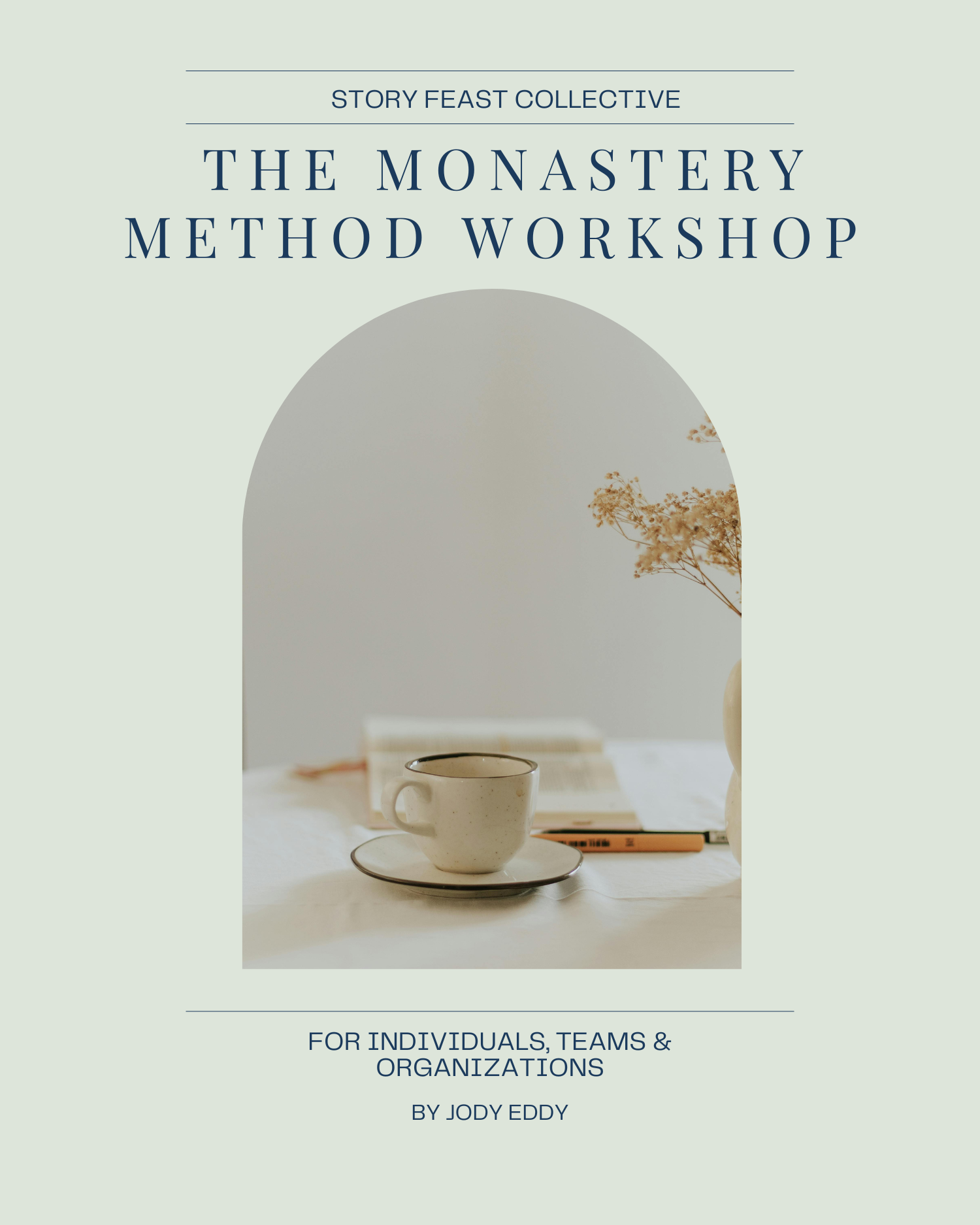
Learn more about the Monastery Method Workshops I teach for large and small groups →
Go Deeper
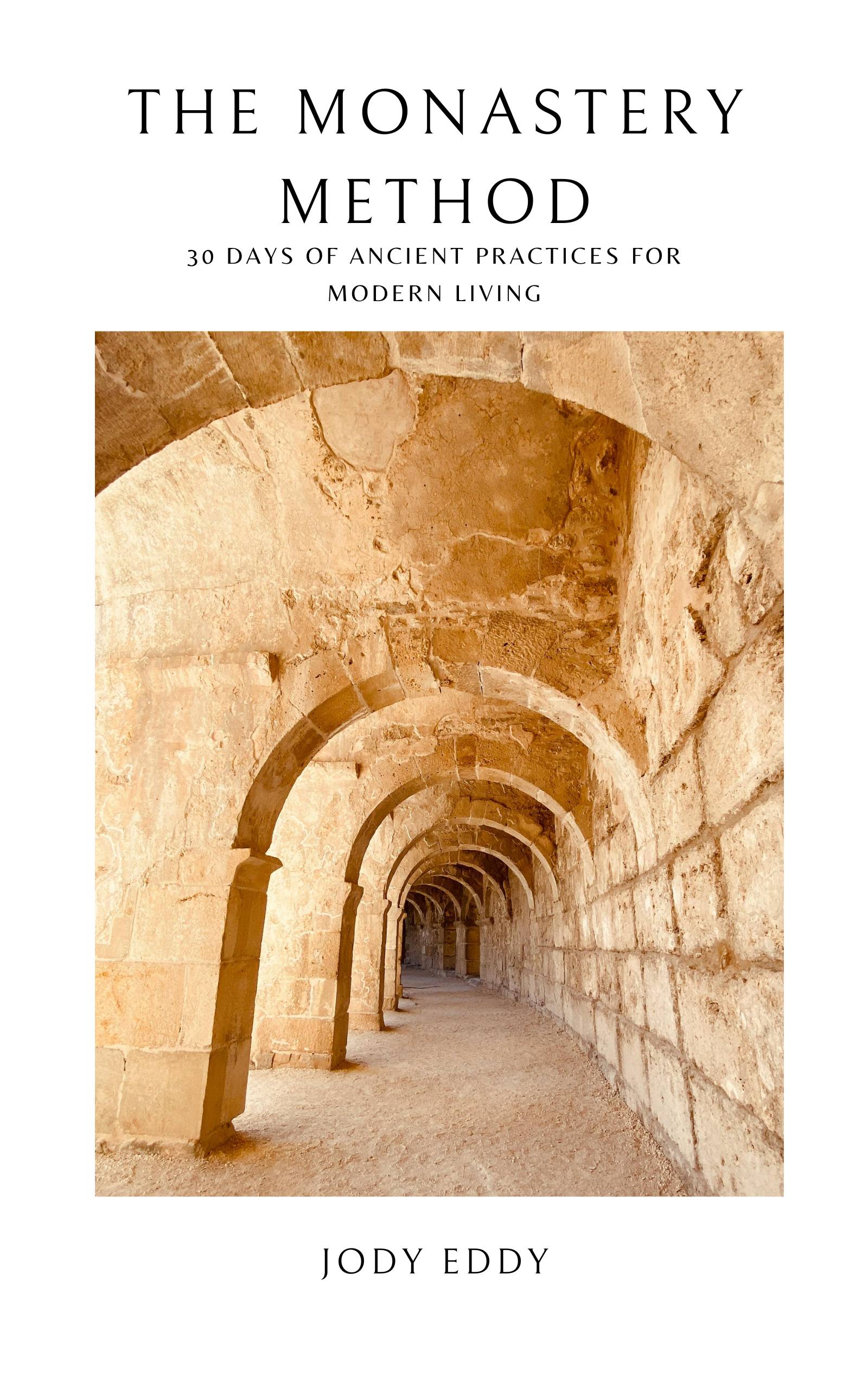
If these ideas resonate, The Monastery Method is a 30-day digital guide that distills everything I learned across nearly a decade of monastery research into daily practices, recipes, and reflections organized around four weeks: foundations, nourishment, connection, and integration. It's not religious instruction and it's not wellness fluff. It's practical, grounded in tradition and science, and most of the practices take about fifteen minutes a day.
I also teach Monastery Method Workshops for large and small groups.
Subscribe to What's Good Here for weekly recipes, essays, and stories about what it means to live a good life.
See upcoming Story Feast gatherings →
Explore classes and workshops →
My newsletter
Every Wednesday in my Substack newsletter, What’s Good Here, I share a new, well-tested recipe alongside guides, how-tos, interviews with inspiring people, and stories about what it means to live a good life. Every other Friday I also share five original recipes plus a step-by-step guide to host a Fantasy Feast inspired by your favorite movies, books and television shows.
Subscribe to What's Good Here →
Interested in partnering with us for a future gathering? See partnership opportunities →
Interested in joining a future gathering? See upcoming events →