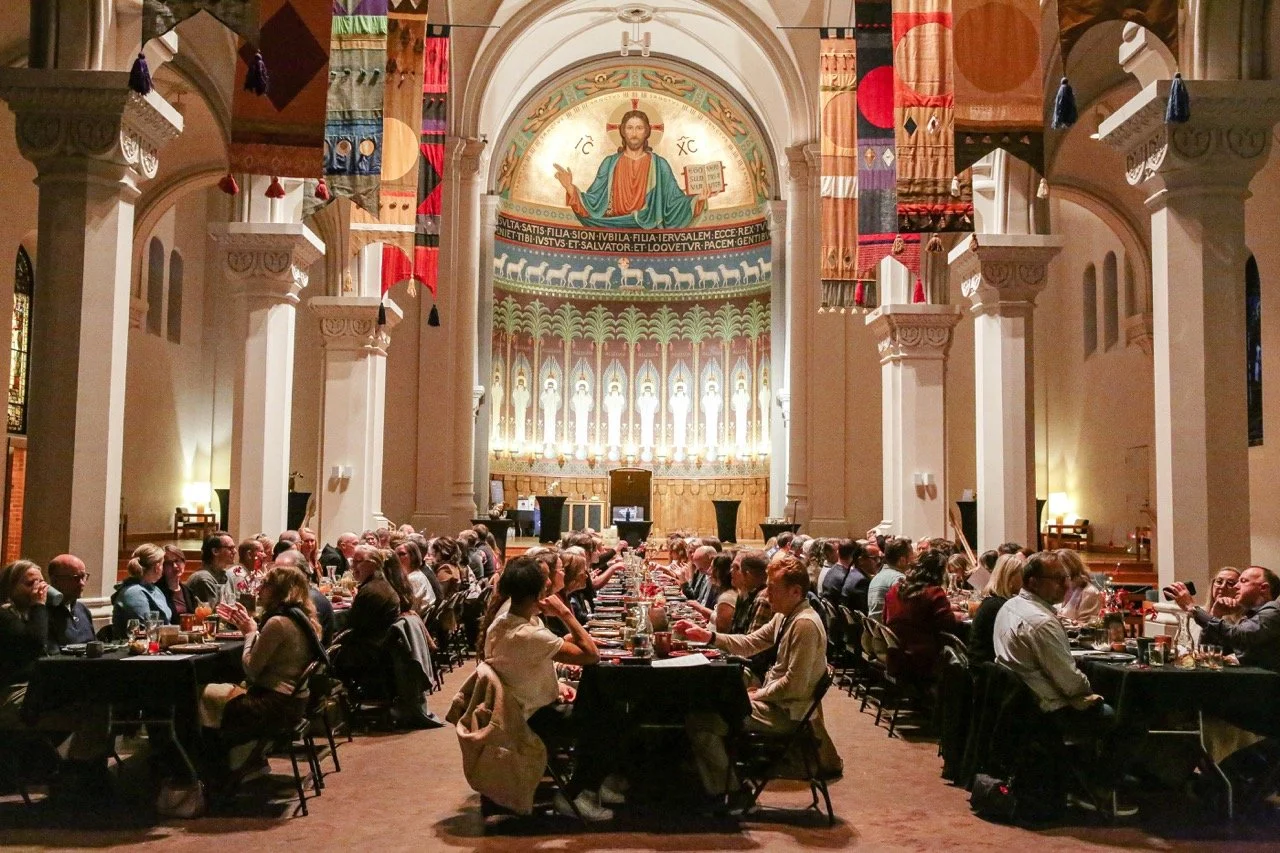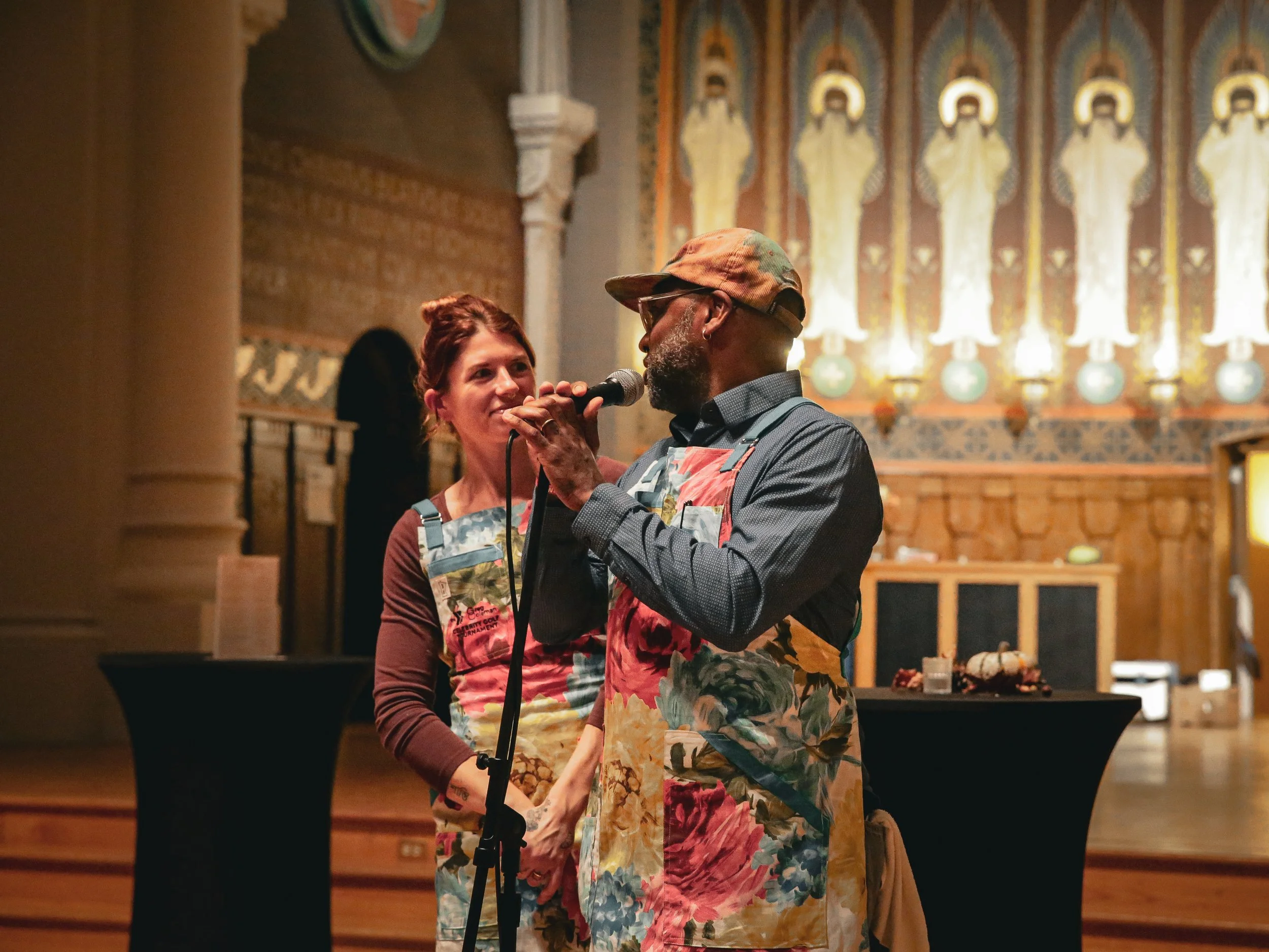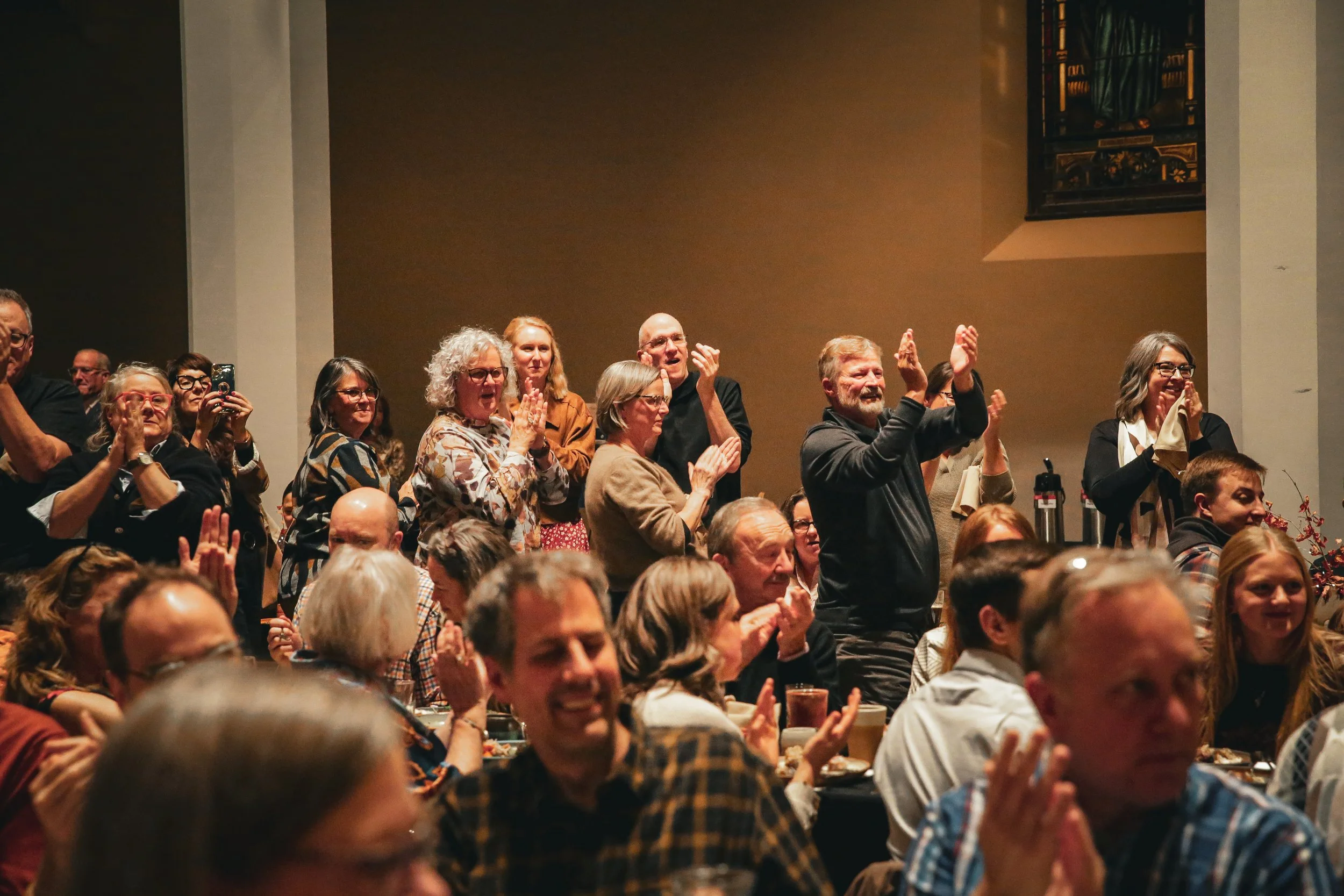
Stories From Story Feast Collective
…and for weekly recipes, interviews, and stories about food, travel, and inspiring people, subscribe to my newsletter What's Good Here.
Recipe: Pear, Caramelized Onion, Walnut & Stilton Tart + The Monastery Method
Recipe: Pear, Caramelized Onion, Walnut & Stilton Tart + The Monastery Method | Story Feast
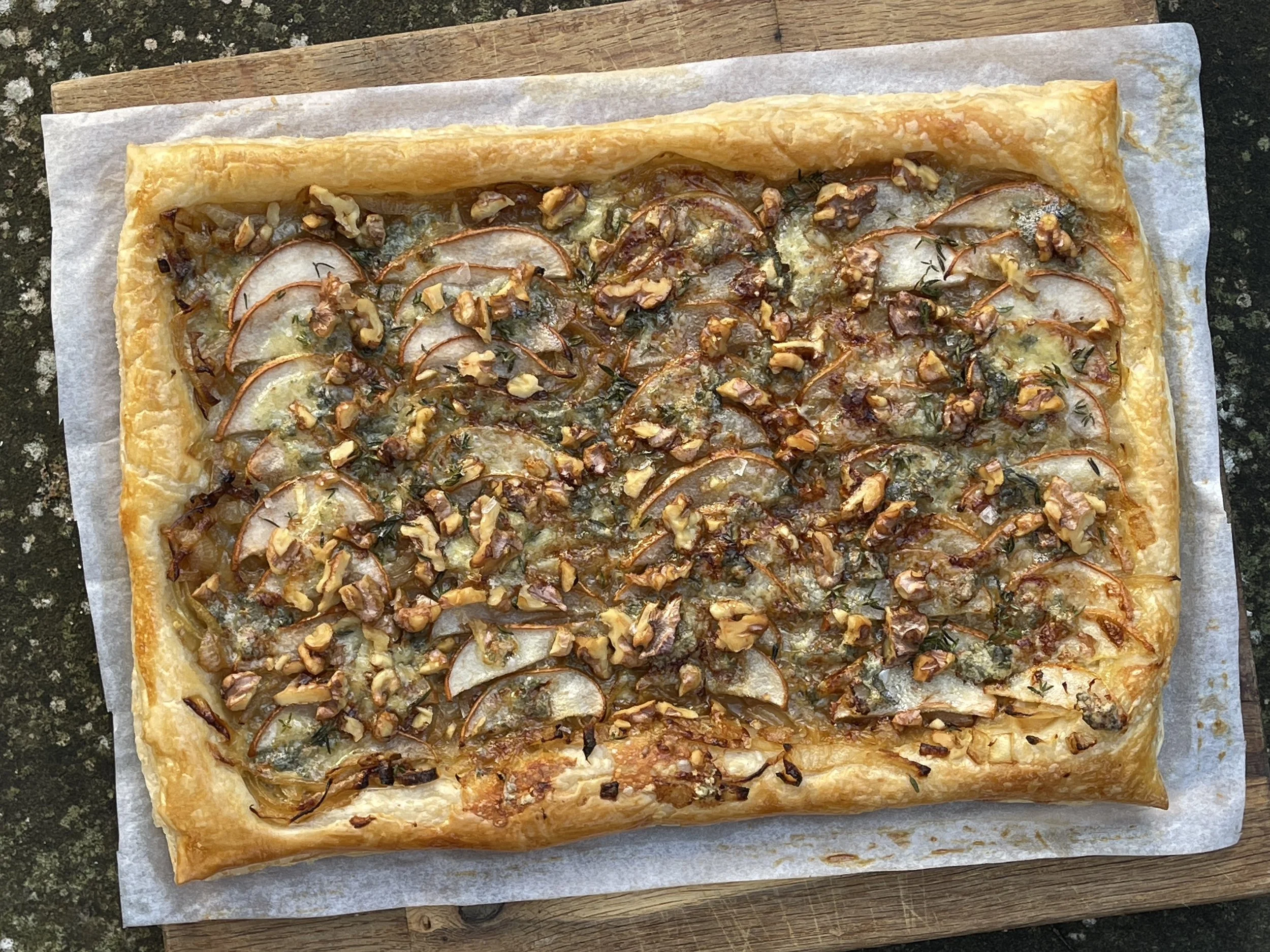
A savory pear, caramelized onion, walnut, and Stilton puff pastry tart recipe from cookbook author Jody Eddy, paired with the story behind The Monastery Method — 30 days of ancient monastic practices for modern living. Simple, seasonal, and meant to be shared.
Several years ago, I found myself standing at the entrance to Thikse, a Tibetan Buddhist monastery in the Indian Himalayas. My mother had died unexpectedly a few months earlier. I was looking for something I couldn't name. A young monk in burgundy robes gestured for me to follow him to the kitchen, where the morning fire was already burning. He handed me a wooden paddle and showed me how to stir the massive pot of butter tea. We didn't share a language, but we shared the fire, the stirring, the simple, ritualistic task performed the same way it had been performed for centuries.
That trip was the beginning of a journey that would take me to over a dozen monasteries, temples, and spiritual communities across four continents. The research became two cookbooks: Elysian Kitchens for W.W. Norton and Eat Like A Monk for Simon & Schuster. But the wisdom I gathered went far beyond recipes.
What the Monks Taught Me
The practitioners I met weren't escaping the world. They were paying deep attention to it. They had rituals that anchored their days. They ate with presence. They rested without guilt. They worked with their hands. They welcomed strangers. They found joy in simplicity. And they'd been doing this through wars, plagues, famines, and political upheaval for centuries.
When I started teaching workshops based on this research, for Fortune 500 companies, libraries, and community groups, I realized people weren't just interested in the stories. They were looking for the practices. The same questions came up again and again: How do I stay grounded when everything feels chaotic? How do I build routines that actually stick? How do I find meaning when the world feels like it's falling apart?
The Monastery Method
This Is Why I Created The Monastery Method
I distilled everything I've learned from the monks into a 30-day guide: The Monastery Method: 30 Days of Ancient Practices for Modern Living.
It's organized into four weeks:
Foundations (morning rituals, eating with attention, simplicity, gratitude, rest)
Nourishment (food as medicine, wasting nothing, preservation, movement, cooking for others)
Connection (hospitality, listening, service, forgiveness, sacred meals)
Integration (resilience, joy, generosity, designing your own sustainable practice)
Each day includes a story from my travels, the principle behind the practice, concrete steps to try, and reflection questions. It's not religious instruction. It's not wellness fluff. The practices are grounded in tradition, history, and science, and most require around 15 minutes per day. I also included 14 recipes from my cookbooks and downloadable worksheets to help you design your own path forward.
Thirty days is long enough to establish a morning ritual that anchors your day. Long enough to change how you relate to food, rest, and the people around you. Long enough to discover that the peace you've been seeking isn't somewhere else. It's available right here, in the ordinary moments you've been rushing past.
A Monastery Kind of Tart
The recipe below reflects the practices in The Monastery Method. This is the kind of dish I make when I want to gather people around a table without spending the whole day in the kitchen. It starts with a single sheet of puff pastry and becomes something that feels special without a lot of effort. The onions caramelize slowly, the pears soften as they bake, the Stilton adds just enough richness and depth without overwhelming. Fresh thyme. A scattering of walnuts. Cut it into six pieces. Set it in the middle of the table. Invite people to gather.
This is monastery cooking to me: not austere, not complicated, but intentional. Food that asks you to slow down long enough to let the onions caramelize. Food that assumes you'll share it.
Pear, Caramelized Onion, Walnut, and Stilton Puff Pastry Tart
Makes 1 large tart (serves 6) Prep Time: 45 minutes
This is the kind of food I return to again and again when I want something that feels both comforting and celebratory without causing me too much trouble. It's something meant to be shared. A single sheet of puff pastry becomes a generous tart, cut into six pieces and set in the middle of the table. The sweetness of caramelized onions and pears, the subtle robustness of toasted walnuts, and the salty depth of Stilton come together in a way that feels fortifying without being heavy.
It's simple to prepare, but it asks for presence: time to let the onions soften and deepen in flavor, to layer thoughtfully, to gather people and pause long enough to eat together. This is the kind of dish I think about when I think about the monasteries. It's not austerity, but nourishment; not complexity, but intention. Food that steadies you, that holds warmth, that reminds you to slow down and share what you have.
Ingredients:
1 sheet (225g/8oz) frozen puff pastry, thawed
2 tbsp (30ml) unsalted butter
2 medium yellow onions, thinly sliced
½ tsp sea salt
¼ tsp freshly ground black pepper
2 medium pears, cored and thinly sliced lengthwise
1 tsp fresh thyme leaves
40g (1½oz) walnuts, roughly chopped
75g (2½oz) Stilton cheese, crumbled (or whatever cheese you prefer)
1 large egg, beaten with 1 tsp cold water
Flaky sea salt, for finishing
Freshly cracked black pepper, for finishing
Method:
Preheat the oven to 400°F (200°C). Line a baking sheet with parchment paper.
Transfer the puff pastry sheet to a baking sheet lined with parchment paper. Using a sharp knife, lightly score a 2cm (¾ inch) border around the edge, being careful not to cut all the way through. Prick the center all over with a fork. Refrigerate while you prepare the toppings.
Melt the butter in a large skillet over medium heat. Add the sliced onions, salt, and black pepper. Cook, stirring occasionally, until soft, deeply golden, and caramelized, about 25–30 minutes. Reduce the heat if they begin to color too quickly. Remove from heat and let cool slightly.
Assemble the tart. Spread the caramelized onions evenly over the center of the puff pastry, staying within the scored border. Arrange the pear slices on top in even rows. Sprinkle with the thyme leaves, followed by the chopped walnuts. Crumble the Stilton over the tart, allowing space for the other flavors to come through.
Brush the border of the puff pastry with the egg wash for a golden finish.
Bake for 25–30 minutes, until the pastry is puffed and deeply golden and the pears are tender. Rotate the pan halfway through if needed for even browning.
Finish and serve. Remove from the oven and let rest for 5–10 minutes. Sprinkle lightly with flaky sea salt and freshly cracked black pepper. Cut into six pieces and serve warm or at room temperature.
This tart is best enjoyed the day it's made, shared slowly, preferably with people you trust and time you've intentionally kept open.
My newsletter
Every Wednesday in my Substack newsletter, What’s Good Here, I share a new, well-tested recipe alongside guides, how-tos, interviews with inspiring people, and stories about what it means to live a good life. Every other Friday I also share five original recipes plus a step-by-step guide to host a Fantasy Feast inspired by your favorite movies, books and television shows.
Subscribe to What's Good Here →
Interested in partnering with us for a future gathering? See partnership opportunities →
Interested in joining a future gathering? See upcoming events →
Recipe: Orange-Ginger Olive Oil Cake + Third Places & The Art of Gathering
Third Places and the Art of Gathering | Orange-Ginger Olive Oil Cake Recipe
Why third places matter, what America has lost, and a recipe for orange-ginger olive oil cake from a kitchen in Fes, Morocco. It’s the kind of cake that makes people stay.
In 1989, sociologist Ray Oldenburg gave us a name for something humans have always needed: the third place. Not home. Not work. Somewhere else entirely: the café, the pub, the library, the park bench where strangers become neighbors and neighbors become friends.
I've been thinking about third places constantly lately. After six years living throughout Europe in Ireland, Prague, Normandy, Portugal, I've come to understand what America has lost. The tables spilling onto sidewalks. The unhurried afternoons. The way a Tuesday in a European plaza can feel like a celebration simply because people have gathered, without agenda, without rushing, without clutching paper cups on their way somewhere else.
When I returned to the U.S. recently, the absence was glaring. Where were the gathering places? In their place: drive-throughs, parking lots, the lonely choreography of errands.
This is why Story Feast exists.
Every gathering we host in monasteries, castles, art museums, hidden spaces around the world, is an attempt to rebuild what we've lost. Long communal tables. Family-style service. Four or five hours where no one checks the time. Strangers becoming friends over food that someone cared enough to make extraordinary.
We can't fix everything that's broken. But we can create spaces where people sit together, pass dishes, tell stories, and remember what it feels like to belong somewhere.
I wrote more about all of this including a deeper exploration about what third places are, the data on loneliness, the decline of libraries and VFW halls and bowling leagues, what I've witnessed in Europe, and what I think we can do about it. It’s all in my latest newsletter. It's one of the most personal things I've written in a while.
A Third Place Kind of Cake
The recipe below comes from a kitchen in the medina of Fes, where I stood shoulder to shoulder with a woman named Nabila while she taught me to make it. Her kitchen was tiny. The generosity of the space was enormous because of what she put into it and what she expected from it: that people would come, sit, eat, stay.
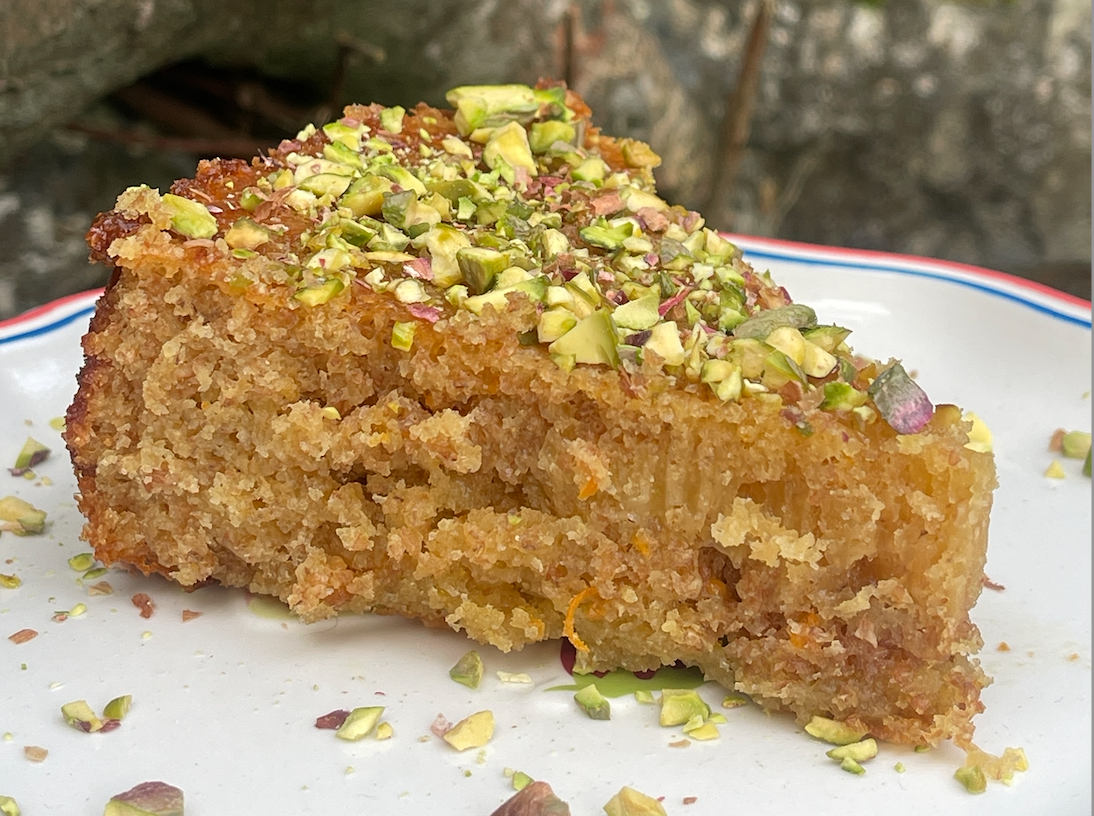
This is that kind of cake. The kind you set on a table and watch disappear slice by slice while conversation deepens and no one checks the time. The olive oil makes it impossibly tender. The pistachios give it a faintly green-gold interior. The orange blossom water, if you use it, makes the whole thing bloom into something you'll dream about later.
It's better on the second day. It keeps beautifully. It's the thing you make when you want someone to stay longer.
Orange-Ginger Olive Oil Cake with Pistachios and Orange Blossom Water
Makes 1 large cake (serves 8-10)Prep Time: 20 minutes | Bake Time: 45-50 minutes
Ingredients:
120g / 1 cup whole wheat flour
60g / ½ cup self-rising flour
75g / ¾ cup ground pistachios
½ tsp fine sea salt
1 tsp ground ginger
3 large eggs, at room temperature
200g / 1 cup granulated sugar
Zest of 2 medium oranges
Zest of 1 lemon
180ml / ¾ cup extra virgin olive oil
120ml / ½ cup freshly squeezed orange juice (about 2 small oranges)
1 tbsp / 15ml orange blossom water (optional but highly recommended)
1 tsp vanilla extract
50g / ⅓ cup roughly chopped pistachios, for finishing
Method:
Preheat the oven to 175°C / 350°F. Grease a 23cm / 9-inch round cake pan and line the bottom with parchment paper.
Sift together both flours, the ground pistachios, salt, and ginger in a medium bowl and set aside.
In a large bowl, beat the eggs and sugar together with a whisk or hand mixer until the mixture is pale, thick, and falls from the whisk in a slow ribbon, about 3 minutes of vigorous whisking by hand or 2 minutes with a mixer. Add the orange zest and lemon zest and whisk until fragrant and slightly golden.
Drizzle in the olive oil in a slow, steady stream, whisking continuously, then add the orange juice, the orange blossom water if using, and the vanilla extract, whisking until smooth and emulsified. The batter should be glossy.
Add the dry ingredients in two additions, folding gently with a spatula each time until just combined. The batter will be quite liquid and pourable, this is exactly right.
Pour into the prepared pan and tap gently against the counter to release any large air bubbles.
Bake for 45 to 50 minutes, until the top is deeply golden and a skewer inserted into the center comes out clean or with only a few moist crumbs. The cake will dome slightly and settle as it cools.
Let cool in the pan for at least 20 minutes before turning out onto a serving plate. Scatter the chopped pistachios across the top, pressing gently so they adhere. Sprinkle with additional orange zest for color.
This cake keeps well in an airtight container at room temperature for up to 4 days… it's almost better on the second day when the crumb has fully absorbed the olive oil and the citrus has mellowed into something rounder and warmer.
My newsletter
Every Wednesday in my Substack newsletter, What’s Good Here, I share a new, well-tested recipe alongside guides, how-tos, interviews with inspiring people, and stories about what it means to live a good life. Every other Friday I also share five original recipes plus a step-by-step guide to host a Fantasy Feast inspired by your favorite movies, books and television shows.
Subscribe to What's Good Here →
Interested in partnering with us for a future gathering? See partnership opportunities →
Interested in joining a future gathering? See upcoming events →
Recipes: Turkey Tinga and Charred Tomatillo Salsa Recipes (as featured on The Splendid Table)
A Turkey Tinga and Tomatillo Salsa Recipe From the Elysian Kitchens Cookbook
A years-long collaboration with Brother Aelred Senna, from Elysian Kitchens to The Splendid Table, culminated in our inaugural Story Feast gathering. Here are the recipes for turkey tinga and tomatillo salsa.

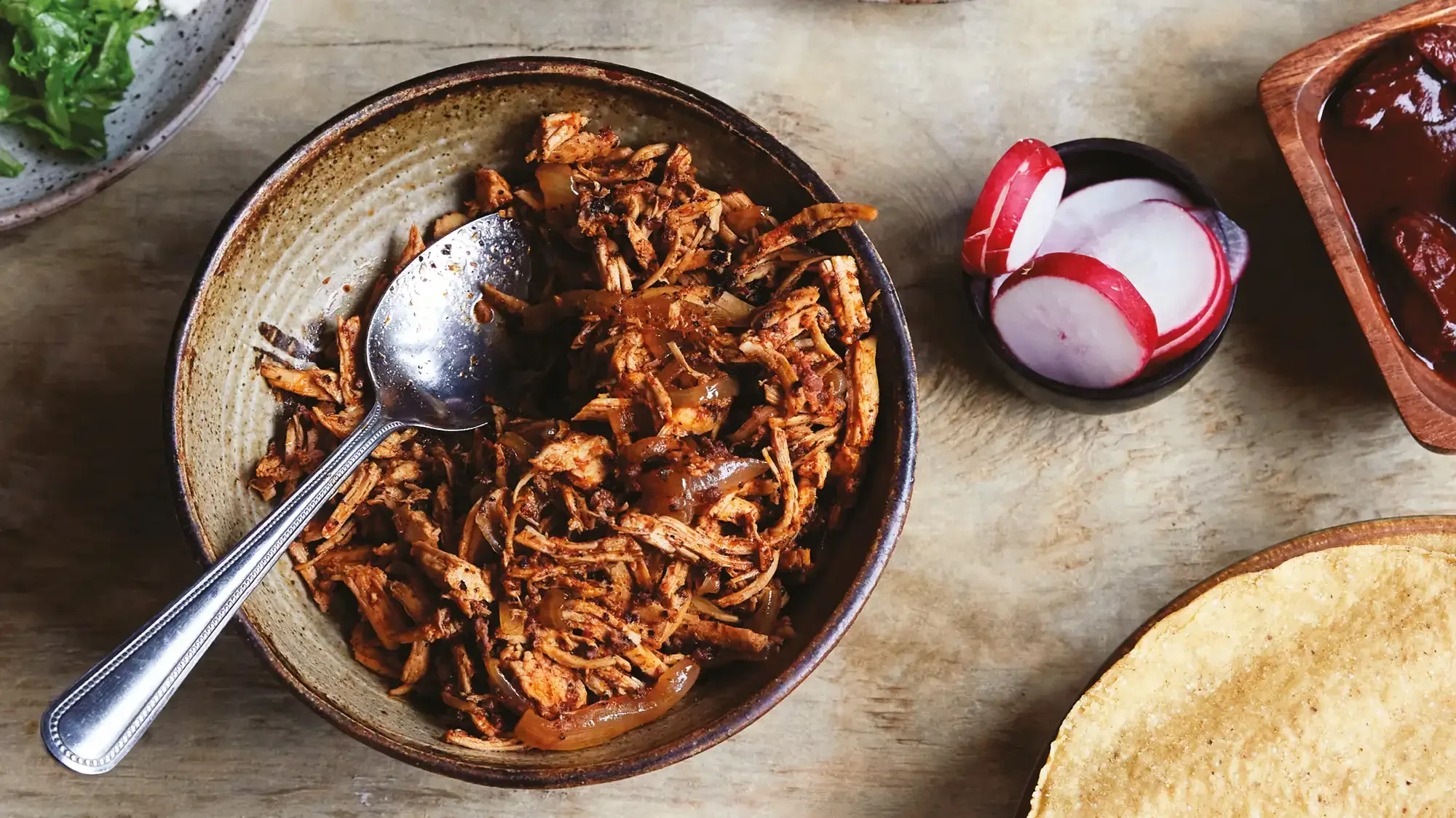
Turkey Tinga, photo from Elysian Kitchens, photo credit, Kristin Teig
Honey-Glazed Turkey Tinga
From Elysian Kitchens, as featured on The Splendid Table
Brother Pedro Alvarez, a monk from Mexico, introduced this dish to Saint John's. The honey is the monastery's own; the turkey, wild and donated by local hunters. It's comforting in winter and perfect for a summer barbecue.
Serves 4 | Preparation Time: 2½ hours (it’s worth it, promise!)
Ingredients
For the tinga:
2 pounds boneless, skinless turkey breasts, cut into six pieces
½ teaspoon salt, plus more to taste
½ teaspoon freshly ground black pepper, plus more to taste
4 tablespoons honey
2 tablespoons extra-virgin olive oil
1 large yellow onion, coarsely chopped
2 ribs celery, chopped
6 garlic cloves, finely chopped
Leaves from 5 oregano sprigs, coarsely chopped
Leaves from 5 thyme sprigs
1 teaspoon cocoa powder
2 teaspoons cumin seeds
½ teaspoon cayenne pepper
1 bay leaf
2 (7-ounce) cans chipotles in adobo, coarsely chopped
6 ounces adobo sauce
1 (14-ounce) can chopped tomatoes, undrained
2 tablespoons tomato paste
1 cup chicken stock
To serve:
16 flour tortillas
Queso fresco, crumbled
Tomatillo Salsa (recipe below)
Sour cream
Avocado chunks
Finely sliced scallions
Directions
Season the turkey all over with salt and pepper and slather with 2 tablespoons honey. Place in an even layer in a slow cooker.
Heat the oil in a sauté pan over medium-high heat. Add the onion and celery and sauté until the onion is translucent, 5 to 7 minutes. Add the garlic, oregano, thyme, cocoa, cumin, cayenne, and bay leaf and sauté until aromatic, 2 to 3 minutes. Add the chipotles in adobo, adobo sauce, tomatoes with their juices, tomato paste, stock, and remaining 2 tablespoons honey and bring to a boil. Reduce the heat to medium-low and simmer gently for 8 minutes. Season with salt and pepper.
Pour the sauce over the turkey, cover, and cook on low until very tender, about 2 hours.
Transfer the turkey to a plate. Discard the bay leaf. Once cool enough to handle, shred the turkey into bite-size pieces and stir back into the sauce.
Serve in warm tortillas topped with queso fresco, tomatillo salsa, sour cream, avocado, and scallions.
Brother Aelred’s Tomatillo Salsa, photo credit: Jody Eddy
Brother Aelred's Tomatillo Salsa
Makes about 1 quart | Time: 45 minutes
Brother Aelred makes a big batch each fall when the tomatillos and chiles are in season. His tip: char the skins until they're black and blistered. The smoky note really makes it sing.
Ingredients
7 large green chiles (Hatch, Anaheim, or poblano)
3 small green chiles (serrano or jalapeño)
1 tablespoon extra-virgin olive oil, plus more for brushing
½ teaspoon salt, plus more to taste
12 tomatillos
1 small white onion, coarsely chopped
2 garlic cloves, coarsely chopped
1 bunch cilantro, leaves and stems coarsely chopped
1½ cups chicken stock
Directions
Preheat the broiler.
Brush the chiles with olive oil and season with salt. Arrange on a broiler-safe baking sheet and broil until blistered, about 4 minutes per side. Transfer to a bowl and cover tightly with plastic wrap. Once cooled, remove the charred skins (they should slip right off), stems, and seeds. Coarsely chop.
Remove the papery husks from the tomatillos and rinse. Place in a pot, cover with water by 5 inches, and bring to a boil. Reduce heat and simmer until tender and slightly olive in color, 5 to 7 minutes. Drain, reserving about 1 cup of cooking water.
Combine the chiles, tomatillos, onion, garlic, and cilantro in a blender with ½ cup of the reserved water. Blend until a chunky puree forms.
Heat the oil in a large pot over medium-high heat. Carefully add the salsa and stock and bring to a vigorous simmer. Reduce heat and simmer to your desired consistency. Season with salt.
Cool to room temperature before serving. Keeps refrigerated for up to 1 week or frozen for up to 2 months.
Recipe excerpted from "Elysian Kitchens: Recipes Inspired by the Traditions and Tastes of the World's Sacred Spaces" by Jody Eddy. Copyright 2024. Used with permission of W.W. Norton & Company.
Listen & Learn More
In November 2024, The Splendid Table featured Elysian Kitchens and Saint John's Abbey. You can hear me discuss the book, Brother Aelred, the recipes here, and Minnesota in the interview below.
Listen to The Splendid Table episode →
Listen to The Splendid Table supplement on Instagram →
Read more about Brother Aelred in The Central Minnesota Catholic →
Read more about the Story Feast collaboration with Brother Aelred Senna →
My newsletter
Every Wednesday in my Substack newsletter, What’s Good Here, I share a new, well-tested recipe alongside guides, how-tos, interviews with inspiring people, and stories about what it means to live a good life. Every other Friday I also share five original recipes plus a step-by-step guide to host a Fantasy Feast inspired by your favorite movies, books and television shows.
Subscribe to What's Good Here →
Interested in partnering with us for a future gathering? See partnership opportunities →
Interested in joining a future gathering? See upcoming events →
Recipe: Vespers: A Story Feast Signature Cocktail from Brother Justus Whiskey Founder, Phil Steger
Vespers Cocktail Recipes
A Story Feast signature cocktail recipe by Phil Steger, founder of Brother Justus Whiskey in Minneapolis and host of our cocktail hour at St. John’s Abbey.
Vespers cocktail creation during the Story Feast cocktail hour at our St. John’s Abbey gathering.
Phil Steger founded Brother Justus Whiskey with a simple belief: spirits should bring people together. Based in Minneapolis, Brother Justus is Minnesota's first legal whiskey distillery since Prohibition, and it's built on Benedictine values of community, craftsmanship, and hospitality.
Phil created this cocktail for the inaugural Story Feast gathering at St. John's Abbey in November 2025. The name "Vespers" refers to the evening prayer service observed in monasteries around the world, a moment of pause and reflection as day turns to night. It felt fitting for a meal shared by candlelight in a monastic dining hall.
From Phil: “This is an original cocktail called “Vespers.” It feels fitting for the occasion and the time of day, given that Vespers is the communal divine office prayed by monks in the evening. The build has monastic references too. In addition to Brother Justus, it is also made with Benedictine liqueur, as well as cream sherry and mole bitters. It’s a boozy cocktail, with a lot of richness, but is velvety and smooth, with black coffee color with ruby red refractions in the light. Perfect for end of day reflection and reverie.”
Brother Justus founder Phil Steger during the Story Feast cocktail hour. Phil not only created a signature cocktail for the event, he poured Brother Justus whiskey for our guests throughout the event.
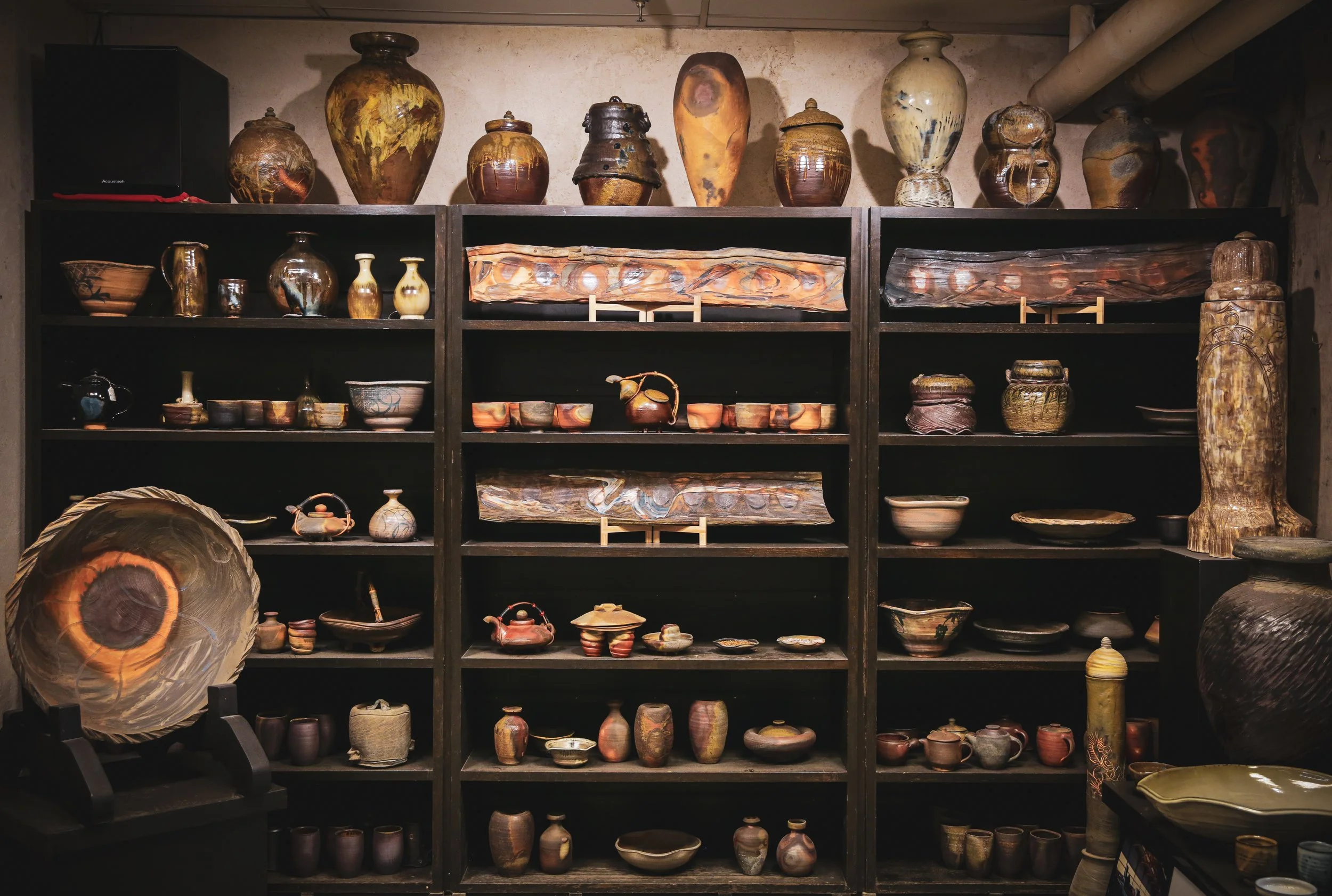
When Megan and JD Jorgenson, founders of Maine Prairie Studio, found out about the whiskey pouring during dunner, they handcrafted a whiskey tumbler for every place setting (it’s the small one on the left). Megan and JD threw every single piece of pottery for our Story Feast event at St. John’s Abbey. It totaled over 1300 pieces of original place settings, serving vessels, water and whiskey tumblers and vases for the table. It was extraordinary.
Not only did Megan and JD craft a whiskey tumbler for every place setting, they also created enough of them to send a tumbler home with every guest in our Story Feast goody bag.
Vespers
Makes 1 cocktail
Preparation time: 5 minutes
The recipe combines American whiskey with Benedictine (a French herbal liqueur originally created by monks) and cream sherry, finished with mole bitters for warmth and depth. It's smooth, contemplative, and best enjoyed slowly, at sunset, with good company.
Ingredients
2 oz Brother Justus American Whiskey
½ oz Benedictine
½ oz Cream Sherry
2 dashes mole bitters
Ice
Method
Add whiskey, Benedictine, cream sherry, and bitters to a mixing glass.
Fill with ice and stir until well chilled, about 30 seconds.
Strain into a coupe or rocks glass.
Serve without garnish, or with a single orange twist if you like.
My newsletter
Every Wednesday in my Substack newsletter, What’s Good Here, I share a new, well-tested recipe alongside guides, how-tos, interviews with inspiring people, and stories about what it means to live a good life. Every other Friday I also share five original recipes plus a step-by-step guide to host a Fantasy Feast inspired by your favorite movies, books and television shows.
Subscribe to What's Good Here →
Interested in partnering with us for a future gathering? See partnership opportunities →
Interested in joining a future gathering? See upcoming events →